Because it’s been preternaturally cold (I looked it up; it could mean ‘extraordinarily’ f’ing cold, as in, yeah, it’s been this cold before… in, like, Canada, Siberia, anywhere east of the Cascade mountains, just not lately), I have had some time, afraid, perhaps, to risk the icy roads (“I’ve heard of Quilcene,” the Facebook site our daughter, Dru, started, and Trish helps monitor; had reports of multiple cars in the ditch… and, perhaps, you remember I totaled a car against a tree in black ice two years ago, and, since, have become, I admit, less willing to assert my mastery over slippery roadways), and, anyway, someone has to run around and make sure no more pipes freeze up; BECAUSE OF ALL THAT, and the fact that folks don’t really think about house painting when it’s like this…
…I have had some time to work on my ART, on my NOVEL, on REALSURFERS.NET, what others always refer to as a BLOG. “I call it a WEBSITE.” “Yeah, you would.” “Yeah, and I do, and what I want to present to the tens of people who see it, is CONTENT.” “Oh. Sure. Content. What do you have?”
I HAD PLANNED to post images of recent illustrations, but, even after Dru switched the images of drawings from PDF to JPEG, they came out looking as if someone had placed a piece of frosted glass over them. SO, nope, I’ll get the originals back and rescanned. AND, though I wrote two pieces I might have used in today’s posting, AND wrote them in Microsoft Word rather than, kinda like LIVE, on the Word Press site, I, in the extended darkness of mid-winter night, under a thick pile of sheets and blankets, the heater set at “Roast,” decided they just weren’t good enough to share with you. WHY? CONTENT.
A drawing I didn’t think good enough to use on a t shirt, but, now that I see it after some time has passed; hmmm… maybe put a border on parts, and… yeah, that might be better.
WE, as consumers of ENTERTAINMENT, are constantly looking for BETTER CONTENT. If a TV channel doesn’t provide it… NOPE. We can scroll through the available options on ROKU, Prime, Netflix, whatever you or I have. NOPE; though I spent too many of my cabin fever hours watching one of those binge-worthy (the producers hoped) series(es?), the ending so rediculus (shit- Word has spell-fix, Word Press doesn’t), that I wanted my time back. I could have been doing something useful, like CONTENT.
YouTube; yeah, I’m a bit of an addict; surfing (I am caught up on Nathan Florence exploits, now fast forward paddling out sequences), politics (some I have watched LIVE, like Hunter showing up for sham committee and MTG acting… trashy, and when NSNBC stopped showing it, I, YES, watched some more on, yes, C-SPAN), some historical stuff that looks interesting (Bigfoot- not historical); OH, and I just discovered that, on my tablet (never on the laptop, but some surf stuff has been moved to the BIG TV), if I watch one of those quickies, I can scroll down and watch another, and then… another..
AND eventually, bored or fed up (which typically suggests some sort of anger), or SATIATED (seems more positive), or just OUT OF TIME, we… quit.
NOW, I do PROMISE new illustrations, several I’m really pleased with, and properly scanned, will be posted on WEDNESDAY. Meanwhile, the polishing of my manuscript continues. And, NOTE; I didn’t stop posting excerpts because they weren’t good enough, it was because the content is still changing. Of all the things I am involved in, in all aspects of life (other than surfing, where, still enjoying the hell out of it, I may have peaked a while back), what I’m striving for is to be… BETTER.
SO, other than all of the above (and Microsoft Word would give me a word count), no real posting today. STAY WARM, find some SURF. Oh, and, as always, thanks for checking out realsurfers..net
I learned a few things watching a YouTube with local librarian/ripper Keith Darrock’s favorite surf magazine writer (spiffy columns with an accompanying photo of him… smoking- so rebellious) turned (with the demise of most print mags) into an (I’m not saying posing) outsider (allegedly)/critic of many-if-not-all things corporate, or cultural, or just plain obviously wacked-if-not-permanently ruined in the once pure (purer, perhaps), whole wide world of surfboarding, consistently those evil-ish ghouls and thugs who profit from it:
The massive (and easy) target of the World Surf League, and… oh, my god (not meaning, like, God God) Kelly Slater, Greatest surf Of All Time, and almost certainly the biggest beneficiary of the wave-washed money that has come from Kelly’s stellar career (K.S. wave pool in where? Dubai- wannabe sports capital).
Chas, in the continuance of his career, appears in his videos with a bottle of spirits, glasses donned and un-donned, and, though I haven’t watched enough of them to see if he lights up, I do admit he looks pretty cool in a Don Johnson/Miami Vice/throwback way (and, if I hadn’t stated this so far- I am in no way criticizing Mr. Smith), starting his commentary with, “I hate surfing, I don’t hate you.”
Hopefully I got that right.
SO, having former TransSurf (Surfing before that, I believe) magazine editor and current WSL commentator, Chris Cote, on his Vlog, cups and saucers rather than a bottle on the table in the foreground, with the clickbait come-on headline of (I looked this up in my History), “Chris Cote on the killing of the surf industry and the joys of toxic positivity, I meant just to watch just a bit, but stayed for all 23 or so minutes of the thing.
SO, here’s what I learned: The average age of the approximately 33 million surf or surf-adjacent people in the world is, like, forty-six (or so, I didn’t rewatch), AND, the BIGGIE, surfing is NO LONGER considered COOL among the not-yet-sponsored younger set.
WHY?
CHECKING out the comments section as Chas and Chris chatted, I read about clueless and etiquette-deficient crowds at any decent break, the swelling of kooks and hodads furthered by wave pools and surf lessons and surf camps; and words on the tragic replacement of blue (or no) collar surf rebels with time-and-money rich techies and mid-level managers driving tricked-out Sprinter vans and custom racked Teslas. Yeah, that seems… correct.
Folks just want to be part of something with a perceived (or conceived- by ad agencies, mostly) coolness they are not contributing to.
I have some theories, most centered on this: IF YOU ARE NEVER going to get as many waves as your father claims to have ridden, you might never surf better than he (or your mom) does; and anyway, few of us have fathers we would be embarrassed to hang out on the beach with; if this is the truth of surfing (and that it is actually kind of… difficult; all the paddling and stuff); WHY BOTHER?
“No, you love it. You love it! Now, just get out there, you little Ripper!” Photo from, yeah, RIP CURL.
THIS ISN’T TRUE in my case; my father, a champion swimmer, was a great body surfer, even if his wearing of the traditional Speedo (I didn’t follow suit after the sixth grade) was a bit… awkward. My mother’s driving her seven children to the beach, mostly because she loved the beach, and her support of my surfing (“Tell your friends surfing, to you, is a sport; it isn’t a lifestyle” was her point when I couldn’t go with them because of religious reasons). If it was a sport, I wanted it to be a lifestyle. Still do. It still isn’t, but it is a part of my life.
AND, in furtherance of my hypothesis, my three children do not surf; the children of many of my surf friends do not surf. Granted, I live in an area late to the game, with fickle surf and cold water, and adverse winds, difficult access, lots of troublesome rocks (though not quite far away enough from large metropolitan areas- some would say); and purchasing gear for rapidly growing kids might be financially daunting. STILL, the average age of the surfers I run into is probably in keeping with Chas Smith’s assessment. YES, I do up the demographic. AND, I do see some second generation surfers. Not, statistically, that many, but some.
OKAY, this has about the word count that seemed appropriate back when I had a column (not self-promoting, as such, it’s long gone) in the Port Townsend Leader. SO, hmmm… considering doing a live thing. NO, I’m just not cool enough. PODCAST? Double hmmm.
MEANWHILE, looking for content beyond anything Nathan Florence puts out, always checking out Keith Olbermann’s short hype-ups for his podcast, though never hitting on the full length version (and never subscribing or ‘liking’ any videos), occasionally fooled into watching some wannabe Nate Florence kooking it up in some shorebreak, next time I’m clickbaited by Chas Smith, I will probably… CLICK.
I was planning of showing my latest illustrations, but I forgot to bring my dedicated thumb drive to the printer, and, when I tried to get copies, the super fancy, super expensive machine didn’t cooperate. This kind of thing can irritate the shit out of the owner/operator. YES, I did make the stupid comment that, “Yeah, that’s why I almost always brush and roll paint jobs.” “Uh huh. Three-sixty-one.” “Okay. Let me dig out some change.”
This isn’t from the most current big wave event at SWAMIS, but, that doesn’t really matter when it’s the same deal any time the news media (and all your instagram surf-adjacent folks) hypes up an incoming swell; every wannabe hero paddling out at one of the only places one can (easily) make it out in San Diego County on those swells that come down from up here in the Pacific Northwest (just incidentally, totally missing the north shore of the Strait of Juan de Fuca); and… yes, getting out at Swamis is easy; not getting in some other hero’s way as they ride a wave they snaked someone else to get, getting more than three waves in a session, not kooking-it up and crashing on a takeoff with 89 scrappers, 19 actual rippers, and five videographers, 105 cell phone or actual cameras, and all the eyes of a bluff and stairway full of tourists and surfers who claim they got the sickest wave ever (or plan to, once they wax up and have another hit or sip… all trained on you. YOU. You.
Don’t blow it.
Damn! FELL OFF AFTER THE DROP!
YES, I have my own not-quite-a-hero stories; already shared. For years. Swamis, Windansea, Sunset Cliffs, Cardiff, Upper Trestles, La Jolla Cove; pretty much the other accessible spots on big days.
AND
But now, leeward of the swell, I just might have overdosed, self-medicating in the long nights of this amazingly warm winter (not arguing global warming while trying not to sound like I’m indulging in geezer-talk, but 50 degrees plus on any December day; not what it was when we moved up here in 1978, haven’t scraped ice in a while) by watching waves and wave riding on YouTube: Some amazing rides among so much disappointingly bad surfing, almost all of the scare-factor coming from the crowds rather than the waves.
Raw footage? No. Please edit the shit out of whatever you put out there.
I do have a few ISSUES, other than the oversold clickbait headlines/come ons, “20-25 foot Blacks,” for example. I only sometimes appreciate the ‘here I am getting a parking spot, here I am putting on my full wetsuit, booties, gloves, hood, floatation vest, compass.” behind or near the camera commentary, having heard enough “Sick,” “Rad,” “Oh no!” “Come out!” “Kook burned the other kook!” “Look at that one!” “Shit; broke his board and didn’t even make it out!” “Can we get pizza, Daddy!” Yeah, I’m looking, but I frequently fast forward and I almost always turn down the volume on the background music/rap.
HERE IS A QUESTION I felt compelled to text-ask of Trisha’s (and, by marriage, my) nephew, DYLAN SCOTT: Okay, two questions: Are you getting any of those waves? Why the hell are surfers wearing so much gear when the water temperature (I checked) at La Jolla Shores (where he lives) is 62.6 degrees. “WHY, back in my day, water got to 58, you put on your short john and…” Dylan did text back a ‘YES,’ and that it is a bit of overdressing, though he has become fond of booties.
ME, TOO; ever since that time at SEASIDE (not the one in Solana Beach, though I have surfed there) when I got bullheads in my feet walking up toward the… the cove. Wheww, almost said too much.
All this SCREEN SURFING may have affected my dreams. YES. So, last night I had this dream… you know how wave height is often compared to multi story buildings? It’s never, “Whoa, the wave was as big as a rambler in a tract out in the valley!” So, someone is giving this woman on a board close to shore shit for getting in the way. I go out (imagine, IF YOU WILL, Nate Florence or JOB with a POV sequence).
WHEN I GET TO THE LINEUP, there’s this multi-story building (imagine the train station at the entrance to Disneyland- I may have been) that is, evidently, a wave. I turn, I paddle; I’m at the peak, ready to drop in from the turret/tower. AND, looking down from something that magically turns back into the biggest wave my mind/memory can muster, I… CHOKE.
THE GOOD NEWS IS no one caught it on camera. It won’t even be one of those shorts that pop up- 29 seconds of dude who shouldn’t have been out considering the multi-story conditions.
THAT’S MY STORY. Hopefully, in the coming year, you’ll have moments and sessions worth remembering; and, sure, hopefully you have many from this year.
I do hate to mention how close I am to totally finishing the manuscript for “SWAMIS.” I am culturally bound not to say too much about when and where I have surfed recently, or where and when I plan to attempt to find waves next. So, I won’t.
Oh, and HAPPY NEW YEAR to all the real surfers! Yes, I am including kooks and posers and hodads and, of course, geezers. I do plan on posting some new click-worthy stuff on Wednesday. Thanks for reading.
It’s almost a joke between my daughter, DRUCILLA (Dru), and me, that, any time there’s a moon on a movie or advertisement, it is always a full moon.
THE MOON, of course, isn’t a joke. There’s the tides affected by its gravitational pull; important to a surfer, and there is the LUNACY (Moonacy in English, perhaps) caused by the LUNA BELLA, the beautiful moon. And werewolves, of course.
There are ancient PAGAN RITUALS playing homage to the sphere, and, of course non-pagan references such as God giving us “The moon and stars to rule by night…” King James Version, Psalm 136:9.
SPEAKING of pagan-stuff, someone taught TRISH a most-certainly (or not) pagan ritual in which one holds out an open purse or wallet to the full moon and chants (maybe it’s just ‘says’ if it isn’t, like, repeated), “Oh moon, moon, beautiful moon… fill ‘er up, fill ‘er up, fill ‘er up.”
Now, the use of “filling ‘er up” kind of suggests a bit of loosening or democratization or cheapening of some sort of rule- doesn’t bother me one bit.
The followup, with the proper move probably being closing one’s wallet or purse, is to say, “Thank you, thank you, thank you.” Three times; kind of a chant.
THE THING WITH RITUALS of any sort is that, if you connect things that went right for you since the last full moon to the practice, it is almost frightening to miss an opportunity.
THIS PHOTO, the full moon rising over Mount Baker, is quite similar to what I witnessed late (like 4:20- no snide allusion intended) yesterday, though, season and location (I was probably farther out on the Strait, the moon was on the other shoulder of the mountain) were most likely different. And, before the moon got lost in the clouds, with an almost visible trail of light under it, the rising was spectacular.
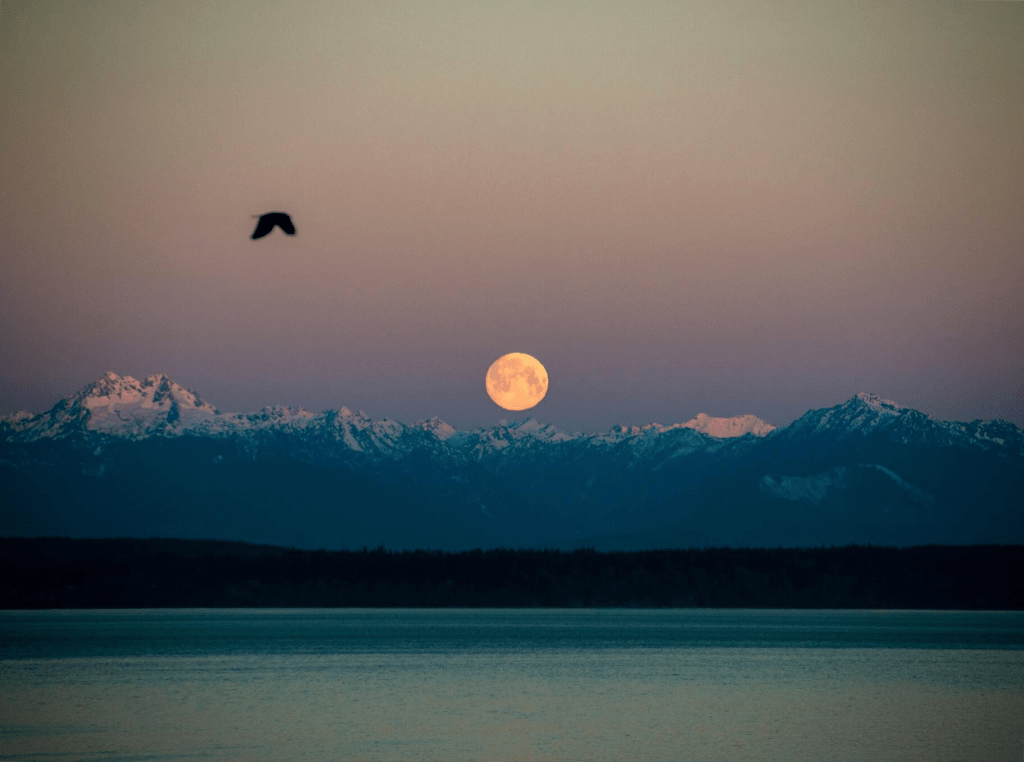
THIS PHOTO, most likely taken from Kitsap County, has the moon setting over the Olympics. I live, probably, on the far right side of the image, between the dark line of the Coyle Peninsula and the ragged edge of the mountains, SURF ROUTE 101 and my place following the bluffs along the Hood Canal, and, heading north, along the beds of ancient fjords, around a couple of bays and… out, north and northwest.
On a recent surf attempt/trip, after witnessing the full moon rising in a clear cold sky the night before, I felt entirely privileged to see the moon in the high trees as I loaded up pre-dawn, and some sightings of the orb as I headed out. I lost it up by the Casino. Damn the luck!
IF YOU ARE A REAL SURFER, you have, I would tend to believe, a certain reverence for and appreciation of the beauty we witness: Sun, clouds, waves from glassy to blown out; but, if you’re a non-surfer, witnessing just how rattled and jazzed and stoked and electrified and excited a surfer can get about even the possibility of decent waves… well, yes, those surfers must be and are, indeed, LUNATICS.
IF YOU MISSED the opportunity last night, I think it’s acceptable to do the little chant tonight also. I have been known to take the full moon time period as it is in the Werewolf canon; three days. Yeah, it is kind of like hedging your bet. THANK YOU, thank you, thank you!
I may actually have some time to finish the manuscript for “Swamis.” I was hoping to have the many-ist edit done by Christmas (last Christmas, the one before that); so, maybe, by New Years. I’ll let you know. Meanwhile, good luck; I’ll be posting on SUNDAY. Oh, and “GO HAWKS!”
…I do try to keep to some sort of schedule. I have been trying to have potential and actual readers ready for new posts on Sundays and Wednesdays, it’s just that… no, no excuses.
There is an old saying: “Never complain, never explain.” Since I constantly do the first, I should be willing to do the other. I’ve been trying to make up for the time (and money) lost during my recent power surge/outage. I’m still working on figuring out… things.
I did work on my manuscript for “SWAMIS” during my down time, the generator churning outside; picturing the starving artist alone in some freezing Paris garret, desperately trying to make those subtle adjustments that will bring… heat, light, shit like that.
So, power back on, off to do the work that actually pays the bills. Out of town job. While waiting for a submarine (maybe, couldn’t see) to go through the Hood Canal Bridge (forty minute delay in this case), I actually made a list of what changes I need to make to my novel in order for it to make sense, story wise.
BUT, FIRST, because I’m changing the ending a bit, and I’m never quite sure if I might make more changes mid chapter (of course I will), I must write the last seven pages. THEN go back.
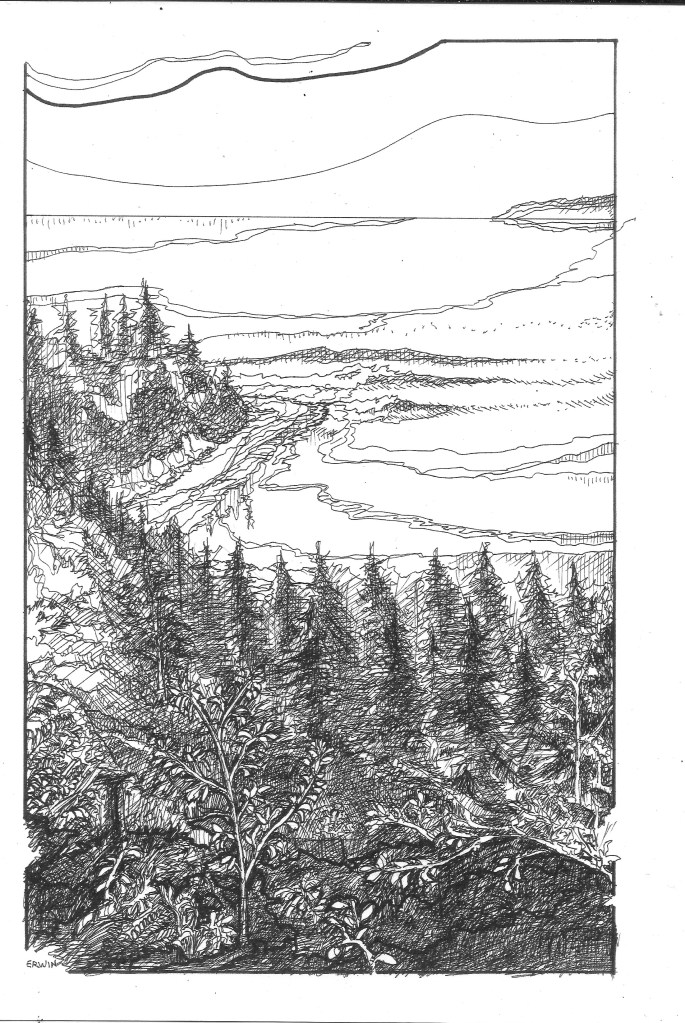
I also have been working on some drawings. I will put one of several possible ORIGINAL ERWIN t shirt designs, and a sort of redo of a little cove/point, with some added, never-happen-in-real-life waves:
Please overlook or forgive my lack of scanning skills. “I’m here to surf” is pretty much my motto. I do have some other designs. If I am going to inv.est in making another run of ORIGINAL ERWIN shirts (and, if you own one… it’s a VERY LIMITED item), I want them to be as good as the ones I’ve already done.
I do plan on going to a print shop this afternoon, and, if I don’t post anything else, I will put up some new illustrations.
MEANWHILE, I’m putting out local surf-related gossip, spreading rumors, trying to verify other things I’ve heard, lots of surfers coming over to the Peninsula and getting skunked is a common one. Very common.
OH, AND I’m also working on a possible shirt design for Washington State’s WEST END. It seems like, out on the rugged coast (and, for some reason, locals don’t seem to include fan favorites HOBUCK and WESTPORT) are not all that enthusiastic about folks cruising in from, you know, non-west. I’m not really involved in this- Yes, I did once try to surf Ruby Beach (so many logs, so many rocks), and yes, I did have a logger/surfer, years ago (late 80s), when I was out at Kalaloch, three children with me, trying to find some gems I could surf as practice for the RICKY YOUNG WESTPORT LONGBOARD CONTEST; tell me where I could find an accessible almost-point break; but, other than a few trips to the cove of vampires, I try to contain myself to the north(er) zone.
SO, self-promoting a bit, do check in on realsurfers.net occasionally, like, just to make sure, hit on it on THURSDAY.
Ikeep telling myself I need, NEED to take more photos. And then I don’t. I don’t have any photos of the four young dudes from JEFFERSON COUNTY PUD who showed up in two big rigs to check out my power pole, their interest extending to the wire and components on their side of the power pole halfway (about 200 feet) down my driveway.
“Four guys?” “Sometime we have eight.”
SO, this was Monday, and the power flash happened very early last Wednesday. SO, that many days of running on a generator. Unsustainable. Way too much noise, inconvenience, MONEY, too many trips to the QUILCENE VILLAGE STORE (luckily only about a mile away) to fill gas cans at, fortunately, better per gallon prices (10 cent discount per gallon for cash) than elsewhere in the vicinity (Chimacum the next closest fuel). BUT, I have learned to pour the gas with minimal splash/waste.
I MUST give thanks to RON REED, an electrical contractor I recently did some work for. He called me back after a novel-length text, agreed that calling the PUD should be my next step. “Then we’ll see. It could just be a loose wire on their end.” “But, I mean, does that… happen?” “More often than you might think.” “Okay.” I had, at this point, already called them, left a message. It was about ten minutes after talking to Ron that a woman, formerly of Quilcene, called me back. “Do they have my phone number?” “I put it in the notes.” “Thanks.”
Just to be helpful, I went down, cleared some blackberry vines away from the area around the pole, and, having told others, including Trish, including myself that I wouldn’t, I looked into the electric box below the meter head. It seemed pretty normal. There were two big ass fuses. Hmmm. Since I had to get more gas and check the mail, I cruised into the local, independant HENERY’S HARDWARE. I talked to LEONARD. “No, don’t have any.” “Shit.” When I pulled up to the end of the driveway, talking to TRISH on the phone (luckily, still hanging at DRU’S place), telling her that, because we, at her urging, had paid a little extra to the IRS, we had received an official letter that, paraphrased, said, “Let’s call it even.” This was amusing, more to me.
THAT’S when the PUD showed up.
This is the burned connection on the neutral line.
The connection was replaced, they checked out the fuses I couldn’t replace without getting them, and scheduling an outage. They were fine. “Go see if this did the trick.” I did. It did. Mostly. I undoubtedly have issues to sort out, but things are working. When I got back to the crew, I shook each member’s hand, said I was as close to crying as I had been in the previous five days (I didn’t- almost), and, of course, asked if any of them SURFED. None did. “Good; we have enough surfers.”
ANOTHER sort of plus: I spent some of my time, in my under-heated living room, working on getting to the end of “SWAMIS.” I have managed to keep it to just over 100,000 words (yeah, that is longer than this post) and I am down to the last seven pages. I can imagine how to make the finale better when I go to work. WORK. Yeah. And I feel grateful to have it.
AS FAR AS SURF, it’s not like I hope there is none if I can’t go, and I do try, and fail, to think about what I might be missing while I am missing it, but… consider even really big but really south swells and their relationship to the mean direction of the Strait of Juan de Fuca; it might save you a skunking. And, as always, figuring out waves, finding that moment at that spot is, like electrical issues, is, possibly, more like… magic.
Tomorrow is the fifty-second anniversary of Trish and I getting married with, really, no idea how it would all go. She was nineteen years and ten days old. I was twenty years and two-and-a-half weeks old. Yeah, long time. Not looking for Kudos on my part in this. No one has ever asked me how I could stay so long with Trish; she’s been asked, well, a lot of times.
SO, a week or so ago, nine days, probably, marked the fifty-fifth anniversary of Trisha’s sixteenth birthday. There was a party. I was there. It didn’t go well, for me; another suitor was way slicker than I was, but I did, somewhere in the confusion of being barely seventeen, I did ask her if she wanted to go surfing with me the next morning. And she agreed.
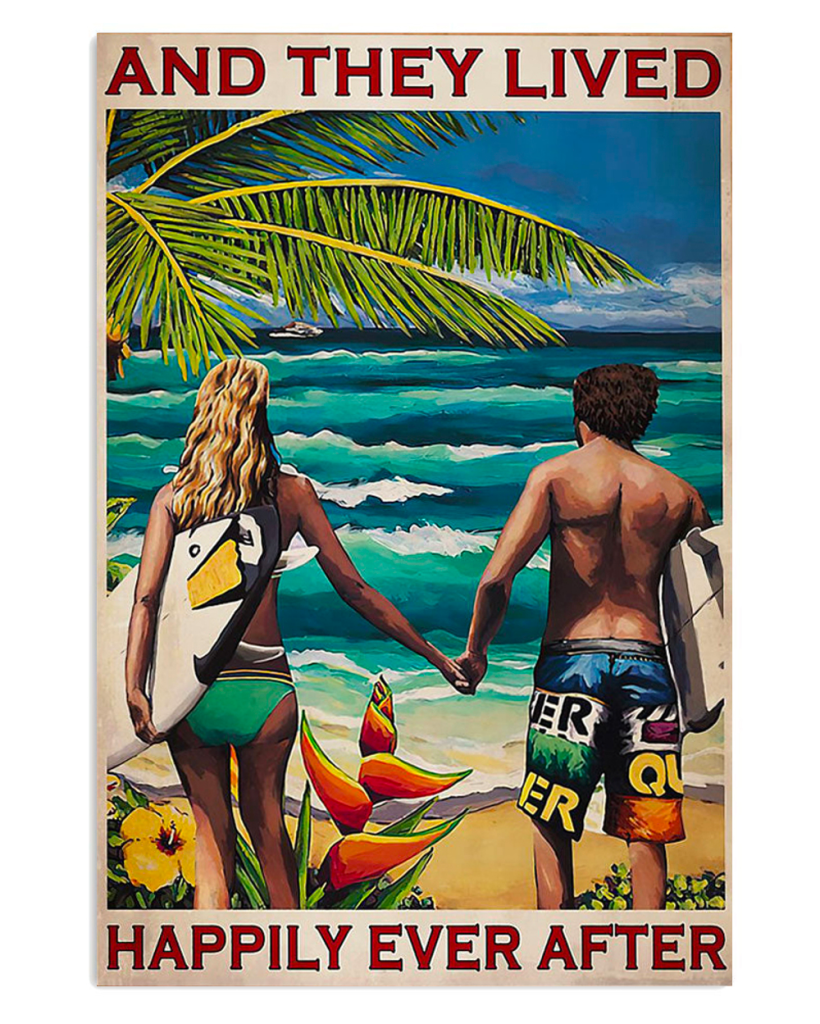
Image borrowed from teeuni. Pretty much covers it.
AND, as part of my celebration, I went surfing on the day after Trisha’s most recent birthday, and, lucky me, again the next day. NO, Trish wasn’t on the beach watching her man, getting hit on by other dudes; I mean, really, what kind of woman is willing to do that… over time.
WE have THANKSGIVING coming up, a world in chaos, and I’m trying to decide what to do on a first day without work that HAS to be done, trying to decide where there might be waves, whether to stay home and deal with maintenance too-long deferred. Tomorrow, I’ve cleared the schedule and promised Trish she and I would be hanging out. Let me check the forecast. Oh.
SINCE it kind of relates, here’s a portion of an original poem…. or song, depending…
I’d like to have a day where I can simply vegetate, find my thoughts and store a few away; Nowhere I must go to, so there’s no way to be late, Wish I had a day where I could hide, but I don’t have that day, so let it slide.
I wish I had an ego not as fragile as a glass, shatters when somebody looks askance, I could strut and swagger, I’d exude self-confidence, On my lips, I’d still seem dignified, My ego’s not that strong, so let it slide.
I’l like to have one night that I could spend alone with you, maybe underneath a naked moon; I’d whisper “I love you” probably half a million times, hoping that our wishes coincide; And when we get that night, we’ll let it slide.
Let it slide, slide, slide, there’s no way that I can linger, work to do that must be done today; Let it slide, slide, slide, please unwrap me from your finger, you say you’ll be happy if I just stay, Perhaps for just a while, then… satisfied? Maybe, just this once we’ll let it slide, slide, slide, maybe just this once we’ll let it slide.
THANKS, AS ALWAYS, for checking our realsurfers.net BEST OF LUCK for all your sliding wishes.
“Let it Slide” is from a copyrighted collection of poems/songs, “Love Songs for Cynics,” all rights reserved by the author, Erwin A. Dence, Jr.
AND, and, and, please, in counting our blessings, may we not ignore the truly epic tragedies throughout the world.
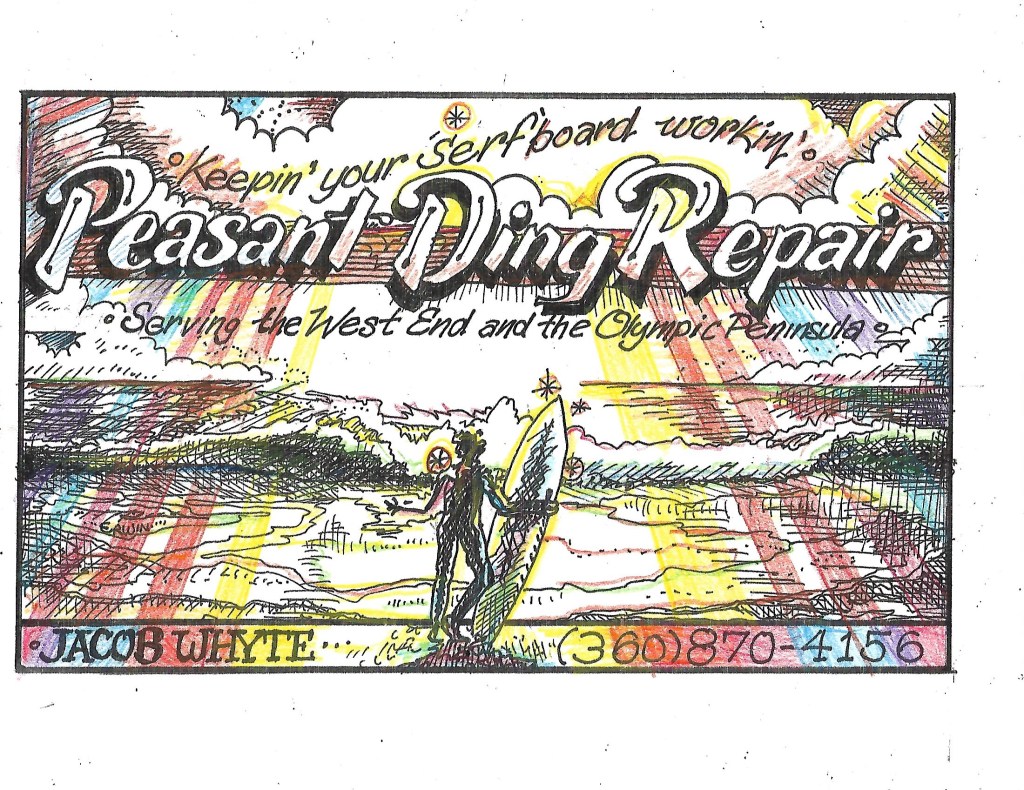
SO, JACOB WHYTE is the son of a cousin of JIM HAMILTON, a very interesting individual (timber-frame house builder/ski patrol/world traveler/more) who lives off Center (Road) and close to SURF ROUTE 101 in Quilcene. Jacob also has an interesting story. He has returned to Forks, Washington after an extended stay in California, Ventura area, during which he worked doing ding repair, most notably (to name droppers) for Channel Islands Surfboards, living frugally (growing his own food, that kind of thing), always, he says, planning to move back home to Washington State’s WEST END.
Now, the PEASANT thing: Jim, in asking (more like hiring/bribing) me to do some artsy stuff for Jacob, pondered the name. “Oh,” I must have said, “Maybe it’s like, you know, peasants, serfs, vassals, that kind of thing; I mean, like an allusion to… that.” “That would be… yeah, maybe that’s it.”
“It isn’t,” Jacob said when I actually got in phone contact, he at a far northwest secret surf location, me in the depths of a housing tract in East Bremerton. Didn’t matter, so much, I’d already done a drawing, black and white, printed a copy and colored it, either suitable as a flyer, or, reduced in size, a too-busy business card. “Yeah, Erwin, maybe the ‘serfboard’ thing is expecting too much of… surfers.” “Okay, how about the ‘serving the West End and the Olympic Peninsula’ part?” “Yeah. Sure.”
I ran a couple of other ideas past Jacob. Mostly about t-shirts; what would be appropriate, assuming surfers on the West End are not necessarily trying to invite more surfers over. I have ideas. LATER. It’s not like I can’t keep a secret.
IN MY CONTINUED attempts to produce a decent drawing of the fictional JULIA COLE, or, actually, a portrait of any woman, I came up with this. Attempts and failures. I should throw away the versions that got me to this one, possibly more useful to depict Julia’s mother, and stick this in some file with the other failed illustrations. BUT, wait, maybe if I just… Yeah, I have some ideas. ALWAYS. And I always want to get… better.
CHAPTER FOURTEEN- MONDAY, MARCH 31, 1969- PART FOUR
The two carpenters were carefully walking between the Karmann Ghia and the edge of the bank. Lee Anne turned toward them. “Joey, this is Monty, lead carpenter on the project.” Monty was sunburned, with a receding hairline and an almost orange Fu Manchu mustache. Early thirties.
Monty stepped in front of Lee Anne’s car, put a hand on the other man’s shoulder. Black, muscular, no older than eighteen or nineteen. “And this is…”
“Not a carpenter. Yet. Helper. Nickname… Digger.” Monty had only left room for his helper to stand on the very edge of the bank.
Lee Anne looked at Digger, shook her head, looked at Monty, and back at Digger. “No. Unacceptable. You have to… insist… on a different nickname.”
“Temporary,” Digger said. “Thought I’d be something like ‘Hammer.’ Nope. Got to earn your nickname ‘round here.” Digger slapped at a pair of gloves folded over his belt. He held out his hands, palms toward me, rubbed two fingers of his left hand across the palm of his right. He slapped his hands together. “Could’a been callin’ me ‘Blisters.’”
Lee Anne extended her right hand but didn’t accept Digger’s. “Blisters,” she said. “Not good, but… better.”
Monty gave Lee Anne a sideways nod and said, “Blisters, then.”
The younger carpenter had been rather boldly checking Lee Anne Ransom out. She looked him off with a quick widening of her eyes and a very stern expression. “Real name, please, for the record.”
Blisters backed up, put his hands out and up, his arms closer to his body. If he was impressed with Lee Anne’s response, he wasn’t apologizing. “Greg,” he said. “Or Gregory.”
“Gregory, then.” She turned back to Monty. “Or Greg?”
“Greg, then,” Monty said. He pointed to the parking lot. “We heard the cop car, didn’t see it ‘til it tried to turn in. It wasn’t the brakes. It was… the gravel. New, like b-bs; no way he wasn’t gonna slide.” He turned toward me before he added, “No way.”
…
The San Luis Rey Riverbed was probably half a mile wide. I had never seen the water more than a stream, a creek, even. The ground Monty and Gregory and Lee Anne and I were standing on was gravel and round river rock, with the usual scrub, some still green but rapidly fading grasses and weeds, and a few stunted trees. Taller trees in the center of the valley were mostly dead. Ghosts. Killed in the cycles of flood and drought. More likely flood. Drowned.
Monty pointed to the stump in the river bottom, probably fifty feet from the base of the fill. “The concrete had been poured. The leftover rebar should’ve been fuckin’ gone.” Though no one asked, he added. “Contractors. Separate. Not our job.”
Lee Anne said, “Separate. Not your job.” She attached a telephoto lens to her camera, aimed it at the road on the east side of the valley, focused it, snapped a photo, and handed the camera to me. “So, after your dad’s accident; the traffic was rerouted… over there. Correct?”
The lens was out of focus for my eyes. I twisted the ring at the base of the lens as Lee Anne had. “Correct.” I turned the camera past the carpenters and toward the journalist. Distorted. Out of focus. I snapped a photo. “Accident.”
Lee Anne took the camera and advanced the film.
…
Gregory and Monty and Lee Anne and I were standing next to the concrete box. There was a galvanized pipe in, another, perpendicular, out. Gregory, now gloved, had a shovel, upright, in his left hand. “You see, all the rebar got pushed out the way by the car… except for one piece. Jammed against the… stump.” He looked at me. “You get me?” I nodded. “They cut it. The… stump. Little later. Fire department.” I nodded. “Like a bullet, it was. Through the door and right through the guy. I seen him, right after. He was alive and all, like he was trying to pull the rebar out. No fuckin’ way.”
“My father… the guy.”
“Yeah.” The shovel handle fell against Gregory as he moved his hands into a prayer position and raised them to his eyes. “Sorry, man. No disrespect.”
Monty stepped between his helper and the stump. “We were trying to get it loose. No way. I’m smacking the stump with a framing hammer, trying to get the rebar loose. Or, even, pull it through the stump. Something.”
“Then this other cop; tall guy, he showed up, slides down the bank, lights up a cigarette. He was laughing, says, ‘Shit, Gunny, your car’s still on its wheels.’”
Monty turned to me. “Wendall. He stops laughing when he comes around, sees the rebar and the… blood. Not that much. Me and… Wendall, second later; we’re at the door. Your dad says, ‘Larry; could you tell Ruth…’ That’s all I got, ‘cause just then this Japanese lady, your mom, she shows up in…” Monty pointed to the Falcon before moving his finger toward the incline from the parking lot. “She slips as she comes off of the grade.”
“I ran over, helped her up.”
“You did, Digger; yes. Greg. Me and Wendall, Greg, too; we tried to keep her back, but she pushes between us, gets in the car on the passenger side. She seemed pretty… calm. Wendall wasn’t. Your dad says, ‘it’s fine, Larry.’ Wendall grabs the shovel.” Monty grabbed the shovel from Greg, thrusting it downward, hard, several times, into the stump until it stuck.
Monty was gasping for breath. “By this time, there’s so many cars, people, up, up on the highway. More sirens. I look in the car. The siren was off, but the light… it had popped off the roof, wire and all. It was still spinning; the engine was still… running. The, uh, your dad, he looks over at me, like maybe he knows me. He don’t.” Monty was breathing in gulps. “He looks at your mom. He says, ‘I always believed I rescued you.’ She reaches over, turns off the, the key, twists around, puts her arm, the same arm… around… him. And your mom kisses him, and she’s got blood… on her.”
Monty caught his breath. Most of it. “Then he, Wendall; he pulls me away from the window, pushes me back. He has this look in his eyes; it’s like he’s shaking his head, but he’s not. It’s just his eyes saying, you know, that it was over.”
The stump, somewhere around fourteen inches in diameter, had been cleanly cut with a chain saw. The part that had been removed was only a few feet away, visible in the heavy-bladed grass in a patch of green that surrounded the concrete box.
I looked at the slide marks and the crushed plants, the track we had come down. I imagined my mother coming down the bank, slipping, having to be helped back up. I imagined her in my father’s patrol car, reaching over, turning the key. I extended my right arm, moved it up until my hand was pointing up and at the highway. I moved my arm to the left, to where my father’s car slipped, sideways, on the new gravel. My flat hand represented the car as it slid, still sideways, to the bottom of the grade, plowing into the ancient river bottom, hitting the pile of rebar, one piece jammed into the stump, penetrating the door and my father like a bullet. I looked into the sun hanging just above the parking lot. I cupped my right hand, moved it, and then the left, above my eyes.
The shadow, the darkness, lasted but a moment. Another blinding light, and the spinning red light, and a vision of my father’s face as I passed him took over. Everything else was gone.
…
I was in shadow when the vision faded. I was on my knees. Gregory was directly in front of me. Monty was gone. I looked up toward the highway. Lee Anne Ransom, still in the light, had her camera aimed at Gregory and me. She waved. Gregory waved back as the reporter got into the Karmann Ghia and pulled away.
Gregory offered his ungloved right hand. I took it with both of mine. “Blisters,” I said as I stood up. “They turn into… callouses.”
“Not soon enough.”
“Gregory. How long?”
“How long you out for? Hmmm. ‘Bout a minute, I’d guess.”
I tried to remember what I had seen, or what I had imagined. Nothing. I remembered nothing. Not at that time. “Was I… shaking. I mean…”
“No, man; it was… weird; you were… it was like you was really… still. Like… church.”
“Did I… say anything?”
Gregory shook his head. I looked at him long enough that the motion turned into a nod. “You said ‘sorry’ a couple a times. Pretty much it. Hey, you good to… drive? I live in Oceanside, but I could…”
I followed Gregory to the corner between the parking lot’s fill and the established fill along the highway. Half-way up, he asked, “Who is… is there a… Julie?” My left foot slipped on the gravel. I caught my balance and continued up to the highway.
THANKS FOR READING. “Swamis” is copyrighted material, All changes are also protected. All rights are reserved for the author, Erwin A. Dence, Jr. THANKS for respecting that.
GOOD LUCK in finding the spot, the time, the right wave. More non-Swamis stuff on Sunday.
There’s a lot I am trying to cover today. May as well start with a strained allusion to “The Wizard of Oz.”
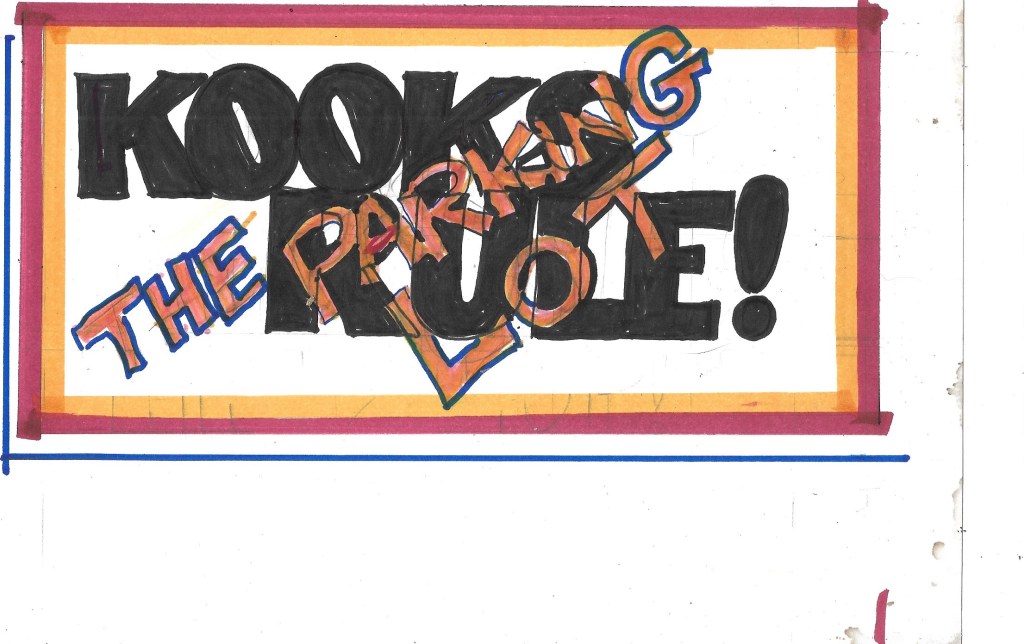
STORY: A friend noted that “some dude in a jacked-up Toyota with lots of stickers” was checking it out at a ‘surf spot’ on the Strait. A prominently displayed decal read, “Kooks Only Not Locals.” My friend, as close to being a local at that spot, responded with, “People who complain about locals obviously have never been local anywhere.” I, someone who has been a local and an inland cowboy at various times, am responding with… well, see above.
I KIND OF wanted it to be, “Kooks Rule the lineup… in the parking lot; not as precise, perhaps, but it goes along with, “Every surfer is a badass… on the beach.”
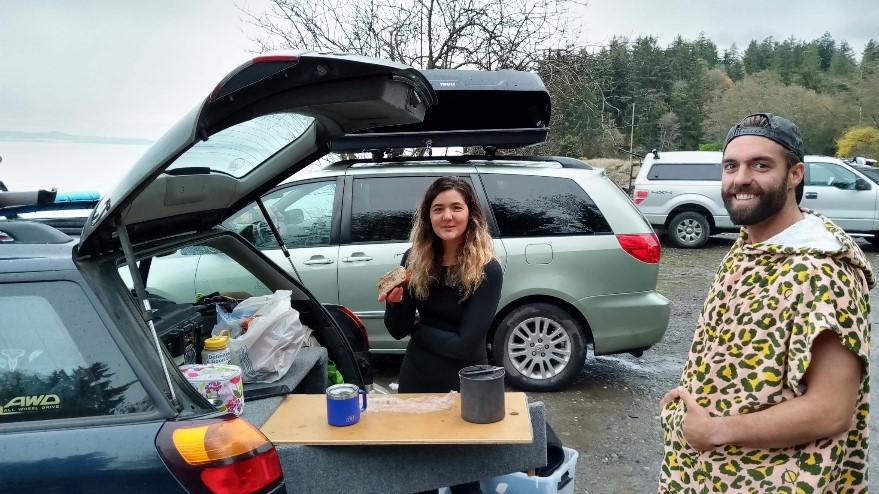
STORY: SUPER BAD ASS SURF RIG in the lineup. I have often pondered the proportion between surf rigs, fancy boards included, and surfing ability, and how much the HIPNESS FACTOR comes into the formula.
“I really wanted to make my car into a van,” this woman said. I really wanted to get a shot of the guy coming out of a sani-can, and I did, his outfit being… well, fun for sure; but this shot might say more. I do bring a thermos and some sort of food when I head out (salad and cookies on this occasion), but I do take note of those who either, one, prepare a full breakfast before surfing, and two, those who see others in the water and automatically suit up. This couple didn’t seem to object to my saying I’m trying to take more photos, particularly of HIPSTERS. Usually those I identify as hipsters deny their hipster-ness.
AGAIN, THE HIPSTER/RIPPER FORMULA.
SPEAKING of which:
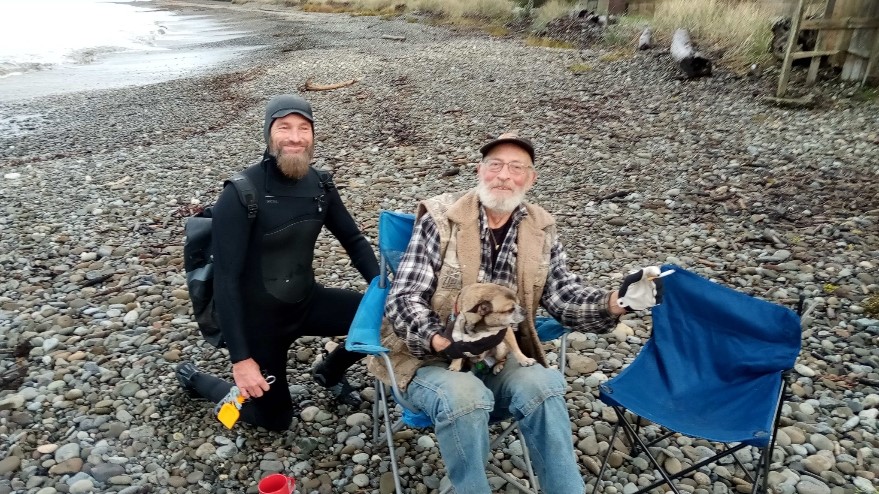
The guy on the left, KURT TICE (or Kirk, not sure) is, by any definition, not a local on the Olympic Peninsula. He is a definite ripper. THE OTHER GUY is a definite local at this particular beach. He doesn’t surf, and I have been identifying him for a few years as the TRUMP LOVING, DOPE SMOKING DUDE, mostly because he used to wear a red Trump hat. It’s legal, as is… you know, smoking. Maybe the Trump hat just kind of, you know, wore out. He’s eighty-years old, says he loves being a local. “What do you do when there’s no surf and no surfers?” “Oh, there’s always someone around.” “Okay.”
STORY: KEITH ran into KIRK/KURT and one or both of his sons, also rippers, at a surf spot. Several times, perhaps. Turns out they are from Newport, Oregon, and know some people Keith, originally from the Oregon coast, also knows. THEN they ran into ADAM “WIPEOUT” JAMES. And then, on one of the times Adam and I headed out looking for surf (and BEARS or deer or cougars or mushrooms for Adam), the ripper family ran into us at the pullout for some difficult to access spot.
AND THEN, I’m out trying to make the best of the occasional waves on an outgoing tide when the ripper dad comes running down the beach with a tiny board, waves, paddles out, and… whoa,, a set shows up. “Thank you,” I said. Then his two sons show up. They ripped. One of them asks if I’m a friend of Adam. “Adam James?” “Yeah, from the Hama Hama. I think we saw you guys a couple of months ago.” It was more like ten months, but, “Yeah.” The father and the sons were so polite on a day when, at its most crowded, few surfers were making eye contact. I get it. GHETTO MENTALITY. I already forgot the names of the two kids. Sorry. NEWPORT RIPPERS will have to do for now.
HERE’S MY TAKEAWAY: Attitudes can change the vibe in the water. It’s like watching a surf music with one kind of music, and then changing the tune. There is something very uplifting about surfers who can be polite, friendly, and enthusiastic. Yeah, yeah, yea!
Make no mistake, this trio could dominate a break. So, the STOKE/RIP FORMULA. Hmmm. I’m not a mathamatician, can’t even spell it, but I do believe there’s something there. See you in the parking lot.
Another chapter or sub-chapter from “SWAMIS” will be available on Wednesday. Thanks for reading.
There were lulls in the water on this afternoon, time when watching the horizon took priority over trying to out-position the other surfers. Images. Conversations to rerun. I surfed an hour and fourteen minutes. I took my time showering and going up the stairs. I stopped at the top and watched Portia and Judith at the Jesus Saves bus. Numerous individuals came up to them. No, they came up to Portia. Judith stood in the doorway to the bus, arms crossed, standing guard. When she looked at me, seventy yards from where she stood, I looked away.
San Dieguito High School would be letting out around three. I pulled up to 101 at two-fifty-five. I did look across and up, beyond the railroad tracks, past several rows of houses. I saw two dormers on the roof of the first Mrs. Cole’s house. One of them must have been Julia’s room. Julie’s. I imagined her looking out the window, seeing lines approaching, the light from the sun or the moon bouncing off moving liquid fields. The car behind me honked. I looked left, right, left again, and pulled out.
The Simon’s Landscaping truck, heading south, passed me just beyond the Sunset Surfboards shop. Both Baadal Singh and I looked to our left.
OLYMPUS DIGITAL CAMERA
CHAPTER 14- MONDAY, MARCH 31, 1969- PART THREE
There were three vehicles ahead of me at the stop sign where highway 76 connected with the road to and from Vista, just west of the Bonsall Bridge. Traffic coming down the steep hill had priority. There were two sharp turns. Many drivers, over the years, had mistimed or misjudged the slalom-like run down and around the cliff face and onto the narrow bridge.
There was a pullout to my left. Dirt. Potholed. A truck overloaded with stacks of firewood was parked, idling, driver’s door open. A roughly lettered sign on raw plywood serving as a sort of fence on the sides of the truck’s bed read, “Firewood. Oak. Dry. Split. RA-8-1074. Reasonable.” The woodcutter was out, checking the tires and suspension. He pulled on each of the three ropes that went over the logs. He looked over at me.
I was visualizing my mother in this lot, standing outside the Falcon as I approached from the bridge, coming even with, then pulling beyond the Falcon. I was just jumping out when Wendall’s Buick, red dashboard light spinning, siren wailing, came screaming down the hill. His brakes screeched when he was forced to slow down to make the curve and recurve.
My mother studied my face for a moment or two before she started screaming. Questions. I couldn’t focus. What I heard was, “What did you do?” She was throwing bags out of the Falcon and onto the ground. “Open the trunk!” She was shouting orders I couldn’t process. “Take the back road to Bonsall. Go to town. Fallbrook. Buy some pizza at the, the restaurant… over by Ammunition Road. Make sure they… see you. Keep the receipt. You, you, you… were never here.” I was frozen. “Oh my God! Is he all right?” Still frozen. “Open the trunk. Open the god-damned trunk!” I did. My mom started tossing the bags into the Volvo. “Of course, he’s all right. He’s always all right. Always fine.”
I wanted to visualize, remember, perhaps, if I had observed my mother putting the papers and the bag with the gun under the seat. I hadn’t. It had to have been when she heard the sirens on Wendall’s car, or when she saw the lights. Or both. That had to have been why she pulled over. She didn’t lose control until she saw me. Me. Out of control.
The woodcutter’s truck pulled out. As it hit the last pothole, two split pieces of oak fell off the pile. I looked both ways and continued; hard left, soft right, soft left, and onto the bridge. “Always,” I said, out loud, as I eased into the right-hand corner on the east side of the bridge. “Always fine.”
Why she hadn’t taken the Volvo back to the accident scene was only a vague question I hadn’t thought through. Chaos of the moment. The Falcon was more recognizable. She wanted to protect me. There were other explanations, possibly; she never explained, and I never asked.
…
The yellow Karmann Ghia, top down, was most of the way off the highway on the right-hand side, just beyond the almost completed strip mall. Lee Anne Ransom was standing in front of her car, a notepad and a camera on the hood. The older of two workers, carpenters, was walking away and toward the two vehicles parked in the middle of the lot, a fairly new pickup truck and a fairly thrashed, oversized American car. He looked directly at me as I passed him.
Of course. He recognized the Falcon. I didn’t look at Lee Anne as I passed her. “Fuck!” I pulled into the parking lot at the tavern just under a mile down the road, still contemplating whether to go on or go back.
…
The older carpenter and I exchanged nods when I turned into the strip mall lot. I pulled a lazy u turn, clockwise, on the now-paved surface, parking spaces painted on it. ‘Opening Soon’ signs were painted in bright tempera paint on the windows of the partially painted store fronts. I turned back onto the highway and ten yards past the Karmann Ghia before I pulled in. I didn’t back up to get closer. Both carpenters were walking toward us as I walked up to Lee Anne. Her camera was aimed at me. I put my head down, looked at the scrape marks on the asphalt and the crushed foliage from when my father’s car had been winched twenty feet across the river bottom and twenty feet up to the road.
Perpendicular to the highway, gravel and fill that formed the base for the mall had been covered with topsoil and planted with iceplant and what was supposed to appear to be randomly spaced bushes. A shiny galvanized metal pipe, probably a foot in diameter, came out of the bank, about ten feet below the parking level, and ran above ground and down, at the same angle. The pipe made a bend probably five feet off the flatter bottom of the valley. It extended at an angle five degrees or so off level, and into a square concrete box, three by three, three feet high. A stump of a long dead tree was about four feet beyond the box.
I had read about all of this. I had seen photos. It became real.
When I got close enough that Lee Anne Ransom didn’t have to raise her voice, she said, “Thought you’d be coming the other way, Joey.”
“Thought you’d be, um, working on your yellow journalism for this week’s… edition, Lee Anne. Chulo’s the story. Isn’t it? Not who killed him. Just… him.”
“I’ve got stuff on his funeral, his family. I wanted to get with you on… the guy your father didn’t hit… here, he called us, the paper. He said he didn’t trust the cops. The sun, he said, was…” Lee Anne faced west, put her hand up and in a salute position. “Like now. He just followed other vehicles… around the bus. Even when the… when your father pulled to the right, he thought he was in the clear. So?”
“So?” I can’t be sure I even said that.
“So, trying to avoid the Vista guys, Dan and Larry, and Langdon, my editor took the… let’s call him the Driver… he took the Driver downtown, found out they really didn’t care all that much about who was responsible, and, and the downtown boys turned my editor over to… he was there… fucking Langdon, anyway. He was concerned about Judith Cole, wanting to know what we, meaning me, knew about her. She and her daughter were there, after Chulo was killed. The daughter, Julia, was taking pictures, and Judith was trying to calm… Portia. Langdon was pissed that Wendall didn’t try to get her film, wondered if someone tried to sell it to us.” Lee Anne laughed. “Sell?”
“When did Langdon get to the scene? To Swamis?”
“Soon enough to cart off the mysterious guy, supposedly East Indian, guy who either tried to save Chulo… or kill him. Langdon almost denied the guy existed; said he couldn’t comment on an ongoing… same shit there… but he did ask about you. So?”
I looked toward the sun, closed my eyes, and tried to recall what I had seen. My father looked at me as we passed each other. “So, Lee Anne Ransom, you must have heard I’m kind of slow, so… I have to process.”
“Then, Joey, process.” Lee Anne raised her sunglasses, widened her eyes, bigger with the lenses on her regular glasses. “And… it’s more like… orange journalism. Sensationalist Commie shit. So, orange.” I nodded. “Maybe you didn’t know this. They kept Chulo and Portia here until Langdon got in from Orange County, closed the road for seven hours.”
“Standard. Someone… died.”
“The Highway Patrol is the… usual choice. Right? Standard procedure.”
“My father… knew those guys, their… detectives, too. Also.”
Lee Anne moved in closer to me. “Yeah. That’s the official line from Downtown. But… Langdon was on the scene, here, in fifty minutes. Mario Andretti couldn’t do that from Orange County. And he was at Swamis… my boss has a radio that gets… you know; ten minutes after the initial call.”
“Who made that? The call?”
“Someone, from the phone booth at Swamis. Okay, Fred Thompson. He called the fire department. Point is, Joey, and I’m trying to process all this shit myself, Langdon was already around. It’s all, I’m thinking, about drugs.”
I blew out a breath, took out a cigarette and lit it with my father’s lighter. “With you, Lee Anne Ransom; it’s always drugs and/or corruption.”
“Holy trinity of investigative… anything, Joey; sex and/or drugs, money and/or power, and… corruption.”
“And/or?”
Lee Anne took a breath. “And/or guilt. No, guilt fits in with…. Shit, just tell me what you know about Judith Cole, Julia Cole, the mysterious Indian dude, Portia Langworthy, Chulo Lopez, and yeah, new edition to the list of ‘who the fuck are they?’, Chulo’s old partner in crime, Junipero Hayes.”
“Jumper… Hayes. I… thank you for sharing, and waiting for me, Lee Anne, but, even if I knew… something, I can’t… comment on…”
“Ongoing investigations?” She shook her head. “I’d say ‘Fuck you, Joey,’ ‘cept you’re, what…. Seventeen? And… you might just take it literally.”
“I did say ‘thank you,’ didn’t I, Ma’am?”
“Ma’am? Damn right. Ma’am. And… don’t go givin’ me that ‘I’m slow’ shit Joey.”
THANKS for reading and for respecting the copyright… stuff. All rights reserved by the author, Erwin A. Dence, Jr.
OH, and good luck in finding and riding some waves!






 Real Surfers