Autumn and the opportunity for, rather the chance of multiple swell angles, leftover summer pushes, and, of particular interest on the Strait of Juan de Fuca, the possibility that some errant low might produce something. Some thing. Meanwhile, east winds work magic with what might ordinarily be closeout beachbreak. Westport, perhaps? I can’t be sure. I have heard stories.
What the shorter days do to me is, short term, while I’m busily running from here to there, catching up on leftover projects, trying to finish others, and enjoying the days that are actually perfect for exterior house painting, I’m losing out on the time I could be writing. Or drawing. And I do have projects.
Yes, I know that the shorter daytime hours will soon reduce my time outside, rain and fog and all that, and if I just realize that and concentrate on ‘making hay,’ one of my most heard comments by others who do not make metaphorical hay themselves, not that I do; if I am patient, the time to dabble and write and jump into all the deferred projects will come. This is without even mentioning all the home repair projects I have put off, some for years. That leaky spot on the roof, that… and this, and… okay, I’ll stop whining.
And, no, I’m not forgetting surf. It’s coming. But, if you look at the forecasts we all look at, studying them, searching for the right angle and tide level and wind conditions, that, it just seems tough to figure which of several options to make that one strike mission, always hoping waves might show up at a beach adjacent to a work project. Always hoping.
Now, “Swamis,” the manuscript, though I’ve fine tuned chapters ell past Chapter 12, is currently kind of caught in that space. In my endeavor to focus, novelize the overwhelming and only-partially-plot-centric little insights and stories I long to tell, I am… well, working on it. Once done, it will, or should, or must cut down the verbiage later on. I am committed to keeping the manuscript under 100,000 words. So far, after shortening the time span, successful.
I will be posting the final subchapter on Wednesday.
Meanwhile, here are a couple of sketches. Other than my decorating my Volvo and starting on several other to-be-continued projects, this is what I’ve taken the time to do.
It is probably not worth saying these are copyright protected. I will, anyway.
Good luck in finding the waves you want and the time you need. OH, Maybe I’ll post a couple of shots of my formerly stealth surf rig. Wednesday.
Each chapter of my novel corresponds to a single day. THIS is a big day. It isn’t exactly like I’m bogged down here, it is more that I continue to tighten up the plot and the character development. So, Joey is checking out Swamis pre-dawn on a Saturday, almost four days after Chulo was burned to death along the wall of the Self Realization Fellowship compound. He h as already had a connnection with Baadal Singh, a witness to the murder, and possibly a suspect. It’s still early, and with a south wind blowing, the lot is starting to fill up. It’s Swamis… locals and non-locals, and Joey has the optimum parking spot.
CHAPTER TWELVE- PART TWO- SATURDAY, MARCH 29, 1969
It was morning rather than dawn, The south wind still blowing. The Swamis parking lot was filling up. I was standing in the middle of the lot, in the middle of the lane between the middle row of spaces and the single row along the grass. I wasn’t sure how long I had been there, rerunning what I had heard and seen, trying to focus on, to memorize the most important images and words.
Too confusing. If Chulo had been a snitch, a narc, then…. Then what? An image of my father explaining why he was talking to a shady looking guy outside the Vista Foster Freeze broke into my mind. “We need sources,” he said, “Like dictionaries, encyclopedias. Assets.”
If Chulo had been a snitch, a narc, an asset, a source, he was Langdon’s. Had to be.
My fault. Of course, it was. I couldn’t help visualizing the Jesus Saves bus in my rearview mirror, front right tire in the ditch. Langdon had come onto the scene. He had found something.
Of course.
I looked past the latest car to arrive in the lot and toward the bluff. Julia Cole was behind the stack of surfboards stacked on the Mercedes, her telephoto lens between them and the roof. She was taking photos. Of me.
Maybe not. I turned toward the highway. Baadal Singh was gone. His truck was gone. I turned back toward Julia Cole. She waited a moment before pulling her camera back, but kept looking at me. Maybe not. A car was almost even with me, way too close. There were three boards on the rack, two on the driver’s side, one on the passenger side.
It was Rincon Ronny’s car, a late fifties Morris Minor, rather dinged up, the once dark blue paint faded rather unevenly. Rincon Ronny was driving, Monica in the front seat, not quite up against him. Duncan Burgess, in the back seat, flipped me off as the car passed. I nodded and walked toward the Falcon. Duncan turned his body enough to look through the car’s back window. When he saw I was watching him, he flipped me off again, bouncing his middle finger on the window until the Morris Minor parked in the last spot available on the bluff.
Duncan was definitely smiling. I probably was.
Petey Blodgett’s dawn patrol crew members, four boys and Julia Cole, were all gathered at the center of the bluff, in front of the Falcon, an empty Dodge Dart, and the Mercedes. Most of the kids were talking at the same time. The four boys were half-sitting on the hood of my car. Seeing me approaching, two kids slid fully onto my car’s hood. The other two moved to the front of the Dodge. One of them slid a bar of wax across the windshield, just once, before Julia Cole grabbed his wrist. He dropped the wax, then pushed it, hard, with his free hand, across and off the hood.
Julia Cole shook her head, lifted her heavy gray canvas bag from the Falcon’s hood, set it on the pavement, and turned to greet her three friends walking toward her from Ronny’s car.
The surfers from the Dodge Dart, obvious out of towners, had made the decision to go for waves the obvious locals had passed on. Other non-locals were in small groups along the bluff or hanging around their own cars in the middle rows. Second tier surfers, they couldn’t just join in with the locals, and they wouldn’t be invited to.
Nor would I. I unlocked the rear door, rolled down the window, and dropped the tailgate. I leaned into the back of the Falcon, moved my new surfboard to one side and crawled forward over towels and trunks to the back of the front seat. I stretched my body and my arm toward a stack of folders and notebooks on the dashboard. The two boys on the Falcon’s hood moved their faces closer to the windshield. Ronny, Monica, and Duncan looked past them and at me.
If any of them looked amused, I couldn’t tell. “casual” I whispered as I pulled up a red notebook, spiral bound, a pencil in the wires. I started to pull myself back, my left hand on the steering wheel, notebook in my right hand. I heard a click from outside the driver’s side window. Click.
Julia Cole pulled back and lowered the camera. She did look somewhat amused. “Casual,” she said. I mouthed the word. She blinked. I blinked. I would remember her quick smile, quickly dropped, another expression to add to my Julia Cole file.
As I back crawled out of the falcon, the surfers in all the little groups resumed talking. “Fucking south wind,” one of the current members of Petey’s dawn patrol group said, holding back a bit on the ‘fucking.’ Practicing. He was probably about my brother Freddy’s age. Eighth grader. “Fucking wrecking it,” he added, emphasis on the ‘ing’ part. Better. “Fucking!”
“Fucking,” I whispered, equal emphasis on both syllables.
…
Leaning over the tailgate, writing down notes from my discussion with Baadal Singh, trying not to have my thoughts interrupted by another image of Julia Cole, I became aware of comments coming from several speakers in several directions. “Chulo.” “And right here. Swamis.” “Which one was Chulo?” “Limpin’ Jesus.” “Oh, with the big cross thingy around his neck.” “Good surfer, though.” “Barbecued, I heard.” “Shut up!” “Guess he’ll get to know Jesus.” “God!” “What about his woman?” “Portia. What about her?” “Cops know who did it?”
There was a pause in the conversations. I didn’t look around immediately.
“You know Jumper Hayes was busted, few years ago, along with Chulo.” It was someone next to me, standing on the driver’s side of my car. It was Duncan. He was talking over rather than to me. I didn’t look up. He continued. “This asshole Deputy crippled Chulo. They sent him to some work camp in East County.”
“And Jumper Hayes, he ditched out.” This voice came from the passenger side of the Falcon. “They’re not going to bust the son of a big-time flower grower and landowner. Not around here.” It was Rincon Ronny. He was looking at me. He looked away when I looked back.
“No way,” some second-tier surfer said. “I heard Jumper ran off to Canada.”
“San Francisco,” another voice said. “Mexico,” yet another voice added, enough emphasis on the word to make almost anyone believe it was based on fact. “Mainland, not Baja.” More specific. More believable.
“Back off, fucker!” It was Duncan’s voice, directed at one or all the second-tier guys. “Mexico? Really? He was in fucking Vietnam, fucker.” Practiced. Proper emphasis. Impressive,
The “Mainland, not Baja” guy flashed a peace sign and mouthed, “Peace, Brother.”
Duncan flashed his own peace sign, flipped his hand around and lowered his pointer finger. “You don’t know shit. Brother.”
I twisted around and sat on the tailgate. I looked at Duncan, and then Ronny. Both moved together and in front of me. I stuck the pencil back in the spiral binding and closed the red notebook. I started counting the seconds, silently, as I looked at each of the surfers. Evidently my lips moved. Both Duncan and Ronny, after I got to ‘four,’ counted with me. When I got to ten, I said, “Yeah. Marines. Fucking… Vietnam.”
“He was here,” Duncan said, leaning down and toward me. “Jumper.”
Rincon Ronny grabbed the top frame for the back window and pulled himself up an into a kneeling position on the tailgate to my left. “Yeah. Here. Swamis. He and Chulo. Julie got some pictures.”
“Julia Cole?”
Duncan half spit out something like, “Jeez,” before he answered. “Yeah, Julie. Julia Cole.” He spoke loudly, clearly, slowly. Sarcastically. “Jumper. Here, Swamis; the day before. Tuesday.” Duncan sat down to my right. He looked past me, to Ronny. “Tuesday, right?”
“Think so,” Ronny said, pulling himself into a standing position on my tailgate “Yeah, Tuesday. He was talking with Chulo.”
“Tuesday would be the day of,” I said, stepping off the tailgate. “Maybe it was… Monday?”
“No, it was Tuesday,” Duncan said. “Day of.”
“He was all bandaged up,” Ronny said; “Didn’t look too good, I guess, according to Gingerbread Fred.” Ronny pulled Duncan up and next to him and added, obviously for my benefit; “Fred. He comes here, like, every evening. For the… sunsets.”
“Late afternoon, then? Monday.”
Duncan and Ronny both looked toward the water. Ronny spoke without looking around. “After you and your mom left.”
I may have chuckled. More likely I giggled. “What was Jumper… how’d he get… here?”
There was no response. I was thinking, looking between Ronny and Duncan. Staring. I did see them. I didn’t see Julia Cole until she was next to me, looking at me. Not unkindly.
It must have been ten seconds before Duncan, then Ronny, turned toward me. “I told you, Julie,” Duncan said, “Useless.” Ronny jumped down, Monica moved between him and Julia. Duncan jumped down and directly in front of me. “Freak,” he said, crossing his eyes.
“You mean retard, don’t you?” I smiled. Duncan moved back and sat on the tailgate.
Julia Cole stepped closer, put a hand on Duncan’s shoulder. “Pickup. Same one Jumper had… before.” I looked from Duncan to Julia. “I have… photos, but… why’d you ask… that?”
“Curious, Miss Cole. Or, really, no reason.”
Monica moved closer to me. “Portia told me Chulo was returning the flower van. Jumper was supposed to give him a ride back.”
“Never made it,” Julia said, “My dad said the van was over at… not Mrs. Tony’s, the market off of Vulcan. Door was open.” She put her right hand on Duncan’s shoulder. “We think…”
Duncan pushed Julia’s hand off his shoulder, pushed himself off the tailgate, moved forward, crowding Monica and Julia back. He turned toward me. “Fuck you, Junior. Yours and Jumper’s dads; old friends. You do know that; don’t you?”
I didn’t answer.
Duncan turned toward Ronny. “Junior and I… I’m a junior, too. We were born the same day, Balboa. Just before our fathers took off for Korea.”
Ronny stepped off the tailgate. “Duncan. Really?”
“Yeah, Ronny, I’m three hours older than… DeFreines.” Duncan looked from Ronny to me. “His dad came back a hero, mine came back… fucked up. Yeah. But we were all… poor.”
Duncan was looking at Ronny. I was looking at Duncan. “When Joe DeFreines got on with the County, he moved them all up to Frogbutt.” Duncan laughed. “Maybe he thought it was safer.” Duncan turned toward me. “Then some wife beater crashes into the patrol car. Joe fuckin’ shoots him. Meanwhile, Junior there, flying around in the car, gets all…”
I smiled at Duncan, then shared the same smile with Ronny, then Monica, then Julia Cole. Her expression, as blank as the other’s, revealed something close to sympathy.
“Was Jumper in… was he driving the Cadillac?”
“No,” Monica said, “Pickup.” We all looked at Monica. “Same one he always drove.”
“I have the photos,” Julia Cole said.
I visualized Jumper in this very parking lot, 1966. He was leaning on the hood of a Ford pickup from the late 1940s, black paint waxed and shining, exposed metal on the hood waxed and shining, a nine-six Hobie balanced, sideways, across the roof. Jumper was laughing, juggling three avocados, two other, older, surfers and two high school age girls, all entranced, watching him. He held one avocado out toward me as I walked past, catching one, allowing the third one to smash to the asphalt. More laughter.
“Thank you,” I said, and walked to the front of the Falcon. “Jumper wasn’t… here.”
The locals had left. I walked to the bluff. There were five surfer at the peak, one dropping into a choppy peak, another dropping in on him. I walked past the Falcon, took two steps into the traffic lane. Ronny and Duncan were at the Morris Minor, talking. In the other direction, toward the stairs, Julia Cole was standing next to Monica and in front of Petey’s Mercedes. Julia had her bag on the hood and was holding the body of her camera with both hands, the telephoto lens pointed down. She was looking at me. Neutral expression. Monica was looking at her, shaking her head.
I had edited out everything but Julia Cole.
Duncan and then Ronny came from behind me. Duncan, on my right, his left hand in front of my face, waved Julia over. She shook her head. Duncan, stepping around and in front of me, said, “Thousand-yard stare. I’m familiar.”
“I’m sorry.”
There was a chuckle from Ronny, cut short, I guessed, by a quick glance from Duncan. “You. Junior,” Duncan said, close to my ear, “I don’t get you.” I shook my shoulders. I thought the gesture would be taken as ‘nothing to get.’ “You asked about… Jumper, his truck.”
Ronny and Duncan both moved in front of me, blocking my view toward Petey’s Mercedes. I looked from one to the other. Ronny spoke first. “Julie doesn’t know. Monica, she isn’t involved.”
“You’re… protecting. You love Monica?”
Ronny spun around, instantly, yelling “Monica” as he did. “I love you… Monica!”
There were, just as instantly, loud reactions from the various parking lot groups and individuals. Mostly positive. Petey Blodgett raised a fist. Monica put a hand over her face. Julia Cole put a hand on her friend’s shoulder, smiled, kept her eyes on Ronny and Duncan and me.
I exhaled, looked at Duncan for a second. He half-smiled and shook his head. “You don’t know shit, do you?” I copied his smile, reached into my windbreaker pocket for my cigarettes. Duncan put his right hand over mine and pushed, slightly. “The truck? You were talking to that Simon guy. He was there, here, did he see…?”
Duncan pulled his hand back. I pulled my hand out of the pocket and closed my eyes. “Freak!” It was a whisper, but intense, coupled with a shove backward.
“Probably,” I said, catching my balance, opening my eyes. “So, please, kindly, don’t tell me shit I don’t want to know.” Now I did pull out my cigarettes, took one out, put it in my mouth. “Don’t tell me shit, don’t ask me… shit. Why would you?” I half-turned, put my hand on my father’s lighter in my pants pocket.
“We heard you’re… brainy.”
“Closer to freak, Rincon Ronny.” I kept my hand over the Sheriff’s Office logo as I lit up. “Wait.” I stepped forward, took the cigarette out of my mouth, waved it in a big loop, and closed my eyes. “I’m imagining two guys getting out of a pickup truck. They drag Chulo…out.”
Opening my eyes, I aimed the cigarette toward the entrance to the parking lot, watched Julia and Monica move to the far side of the Mercedes. I counted to five, out loud, turned, stepped back until both Ronny and Duncan were in my field of vision. “You know more than I do.” I did a pinching maneuver with my left hand, wiping my eyes. “I shouldn’t have told you that… even.”
“Look, Junior,” Ronny said, “cops have been coming around, talking about how maybe Chulo’s some sort of big deal drug… dealer, drug dealer. Like he deserved… you know.”
“Marijuana,” Duncan said. “Weed. You… familiar?”
“Not… intimately. Not… no, but that, um, diversion, yes, it seems like that is what cops would do. Langdon, maybe.”
“It wasn’t Chulo. He wasn’t… big time,” Ronny said.
“Langdon,” Duncan said. “You think, maybe…?”
I shook my head before I reran the question through my mind. “No. Wouldn’t… suit his… no.” I took another few seconds, shook my head another two times, back and forth. “Thank you both, but… what if I’m a… narc?”
Both Ronny and Duncan laughed. Ronny laughed harder, but not for as long.
“And… I’m not a cop.”
“Not yet.”
“Not ever.”
Ronny followed Duncan’s eyes. I turned around. Petey Blodgett was walking along the bluff. “Hey,” he said, quite loudly, directed to the dawn patrol boys, to Monica and Julia, to Duncan and Ronny and me, and to the second and third tier surfers: “Kids. If you are involved… if you’re into illegal drugs, you’re hangin’ with criminals, and, as a bonus, you are a criminal yourself. Now…”
“Another fucking preacher” the guy who had insisted Jumper had been in Mexico said, instantly silenced with an elbow to the ribs from another second tier surfer.
Petey Blodgett held his right hand up as far as he could, brought it down, licked his finger, raised it again. Everyone shut up and looked at the oldest person in the Swamis parking lot. “South wind,” he said, “not letting up.” He looked at Ronny and Duncan and me.
“Not yet,” Ronny said.
“Not ever,” Duncan said, chuckling after he said it.
Copyrighted material. All rights reserved by the author, Erwin A. Dence, Jr. AND, thanks for reading.
I’m doing the, hopefully, final edit of my manuscript. I am ahead of the chapters I’m posting. But, because Microsoft allows me to go to where I last left off, and because I haven’t had time to write since Wednesday, the file opened to Chapter 12, Part One and… and I just couldn’t help myself. Edit, Edit, Edit.
If you already read this, the changes are subtle. If you haven’t, it is… hopefully, better.
CHAPTER TWELVE- PART ONE- SATURDAY, MARCH 29, 1969
I couldn’t say for certain if I had slept at all. I was outside the house at five. I had my lunch, in its pastel blue paper bag, in one hand, my dad’s big flashlight in the other. The Falcon was pointed toward the road. Getaway position. My new board was inside, my nine-six pintail on the by-this-time rusted-on factory racks. I carefully closed the driver’s side door, rolled the car down the driveway, turned the ignition key, popping the clutch, in second gear, at the county road. I turned on the headlights and retrieved a half a pack of Marlboros from under several Pee-Chee folders, those stacked on top of a four-track tape player, that set in the middle of the bench seat.
Waiting for a truck to pass before I could turn left onto Mission Road, I reached into the inside pocket of my windbreaker for matches. I had considered, briefly, pulling out ahead of the truck. I grabbed the flashlight from the dashboard, shined it on my fogged-up watch. “Should have left earlier.” I passed the truck on the last straightaway before Bonsall.
The wood-sided Mom-and-Pop store in Leucadia, perilously close to the southbound side of 101, didn’t open until six. I parked in the pullout just past it at five-fifty-two. Waiting for the lights to come on inside, I reran the TV coverage from the previous nights through my mind. Images overlapped, words were garbled. I focused on faces. No, just on Langdon, on his face when he said, “Heroes. Some people are.” Langdon’s image froze for a moment. “Can’t help themselves but… to be. Heroes.”
Hostess donettes, frosted, a quart of chocolate milk, a tiny can of lighter fluid, Marlboros, box, not soft pack, and a package of flints. The mom and pop, both at the counter, appeared tired. Pop was going to ask for my ID, but a look from Mom, and he didn’t.
“You. You know how to put those in? The flints?” I didn’t. Pop, only focusing on the logo on my father’s lighter for a moment, installed a flint for me. “You don’t want to overfill,” he said, filling the lighter for me, his wife smiling, watching, making sure I knew that she knew who I was, sending some sort of sympathetic message. I had seen the look before. I responded as I had learned to respond. Thankful. No uncomfortable talking.
“The fluid,” Pop said, “if it gets on you. Your leg, maybe. It… burns.”
Burns.
I pulled into the Swamis parking lot, did a soft left, and looped into a hard right. I stopped the car, shone the headlights on the portion of the wall where Chulo had been killed. It looked the same as it always had. White, not even gray, not even yellowed by the headlights, low or high beams. I backed up and away, made a big lazy arc in the very middle of the empty lot, and pulled into a perfect spot, ten spaces over from the stairs. Optimum location. I leapt out, stood at the bluff. Not loud enough to suggest waves of any height. I exhaled the smoke from my third cigarette of the day. “South wind. Fuck!”
…
The Laura Nyro tape re-running the songs from side one of “Eli and the Thirteenth Confession.” It wasn’t the tape. It was the player. Side one of albums from the bargain bin, Leonard Cohen and Harry Nilsson and the Moody Blues, side one of The Doors.
I looked at my increasingly water-logged diving watch each time another car pulled in, each time car doors slammed, each time a surfer or surfers walked out onto the bluff, peered into the darkness, and decided to go elsewhere. La Jolla shores, perhaps. It was, supposedly, offshore on a south wind.
It was still an hour before sunrise, overcast, almost drizzly. I stuck my father’s flashlight under my left arm and walked straight across the pavement, across the grass. I followed the Self Realization Fellowship compound toward the highway, toward the forty-five-degree curve to where the compound’s original entrance had been. There were two large pillars, gold lotus topped, an arch between them, the wrought iron gates long secured with long rusted chains.
Two bushes had been replaced with full-sized plants. The soil around them, the grass next to them, were new. It would all blend in. Quickly. I touched the wall. I looked at my hand. Dry. Perfect, as if no one had been burned to death there.
Backing away from the wall. I walked across the wet grass and onto the pavement at the entrance to the Swamis parking lot. This was where the crowd had assembled, where the sawhorses and rope had been. Unlike the still almost pristine compound side, there were cigarette butts and candy wrappers and straws and smashed paper cups on the rough pavement, scattered and stepped on and run over.
Clues, I thought. Killers returning to the scene of the crime, blending in, hanging on the ropes. Missed clues. I pulled out the Marlboro box from the inside pocket of my windbreaker, stuck the third to the last cigarette in my mouth, lit it with a surprisingly oversized flame from my father’s lighter. I turned on the flashlight, held each new clue close I had picked up to the beam.
Cigarette butts. Various brands. Lipstick on two of them. A partial pack of matches. “Carlsbad Liquor. Beer, Wine, and Spirits.” I opened it. “Left-handed,” I said. I pulled out several of the remaining matches. They left a red streak when I tried to light them. “Too wet.”
I put selected cigarette butts and the pack of matches into the Marlboro box. I moved back and forth along the de facto line, established where dead center was. I crouched down to study the patch of debris in front of me. “Menthol.” I picked up a butt with a gray, slightly longer filter. I blinked, possibly from my own cigarette smoke in my eyes. “Different.”
There was a noise. Slight. Footsteps. Pulling my flashlight out from under my arm with my right hand, I stood up, right foot sliding back.
“Gauloises Bleaues,” a man, ten feet away, said.
I flipped the flashlight around and into my right hand. The beam hit just below his head.
“Picasso smokes these. Jim Morrison and John Lennon smoke these.” I slid my right foot up and even with my left and lowered the flashlight. The man was holding a push broom. Stiff bristles. “My uncle imports these. I smoke these.” I nodded toward the broom. “You and I spoke… before. You gave me a… sort of… newspaper.”
“I did? Okay. So, no one cleaned… here, behind the… the line.”
“So, you. You. Here. Scene of the crime, eh?”
“Me? Here? Yeah. I don’t know… why.”
The man took two steps, closer. “Joe DeFreines, Junior. You surf. You work at a grocery store in Cardiff, on weekends.” I leaned back. “I look a bit different than… I did.” He nodded toward the west end of the wall. “Meditation garden.”
I flashed to that time. Four seconds, at the most. “Swami,” I said.
“No. Not nearly. Gardener. I was with a Swami.”
The gardener’s beard and hair were tucked into a dark coat. The man’s eyes were almost the only part of his face showing. He had a bandana pulled up and covering most of his face. He had on the type of felt hats older men still wore; probably brown, pulled down around his ears.
“Lost most of my eyebrows. Eyelashes just got a good curling. Singed. Still there.”
“No! Shit!” I took half a step back. “It was… you.”
“No shit.” The man extended his hands. He had a leather glove, dirtied calfskin, on his left hand. He had a white cotton glove on his right hand. His first two fingers taped together, as were the other two, and, separately, his thumb. The bandaging wrapped around the main part of his hand and was taped at his wrist. Three of his fingers showed stains that were either, I thought, something that had seeped through, ointment or blood. I was staring. “Second degree,” the gardener said, “Flash burns. Fools.”
I turned and looked toward the highway. There was a late step-side pickup in the spot closest to the telephone booth on the highway side of the original parking lot. There was a three-legged fruit picker’s ladder on the rack over the bed, gardening tools bundled upright against the cab, the handle of a lawn mower hanging over the tailgate.
“You must have gone to the… hospital, Mister… You know my name. Mister…?”
“Singh. Baadal Singh. Baa, like ‘baa, baa, black sheep,’ sing like… sing.” I nodded. Baadal Singh laughed. “No hospital. They keep… records.” This seemed amusing to Mr. Singh. “I was two full days… downtown. Not in a cell. Interview room. Hallway. Just… Dickson calls you Jody.” I nodded. “Your father… sorry about him, incidentally. Wendall, he calls your father Gunny.”
“They both do. Marines. Wendall and my… dad. Not Dickson. Why would they even mention… me?”
“They didn’t. Downtown detectives. One of them said… I am under the impression he was giving Wendall some… grief. And Langdon, he said…”
“Langdon?”
“Langdon. Yes. Fuck him.”
“But, Mister Singh, you were a witness; not a… suspect.”
“Witness. Yes. Suspects have rights.” Baadal Singh looked at the little pile of cigarette butts and candy wrappers he had pushed close to my feet, then at me. I squatted to look more closely. Baadal Singh lowered the bandana that had been over his nose. “’Nice sunburn’ one of the detectives told me. ‘Hard to tell,” Dickson… said.”
Mr. Singh pushed the broom handle toward me. It leaned against my chest as I turned off the flashlight and stuck it back under my left arm. “Marines, you say?” Mr. Singh pulled the glove from his left hand with his teeth. He pulled back his coat. He took a thin box of cigarettes from the coat’s breast pocket with his bandaged right hand. He laughed. The glove fell to the ground. I slid my right hand down the broom handle and picked up the glove.
Baadal Singh took a cigarette out of the pack. “Gauloisis Bleaues” he said. He showed me a book of matches from the Courthouse Bar and Grill. “Downtown. Langdon treated me to lunch on my… second day. Clientele of lawyers and bail bondsmen and cops and criminals. He told me I would, eventually, be charged with Chulo’s murder.” Though he didn’t laugh, Mr. Singh did smile. He pulled out three matches from the right-hand side with his right hand. “Right-handed,” he said, striking the three matches as one, and lighting the cigarette. “All clues that make me what Langdon called ‘completely convictable.’”
I didn’t react. I was playing back what Mr. Singh had just done. I had, evidently, forgotten to inhale. My Marlboro was down to the filter. I spit it out on the clean part of the asphalt. I stomped on it. Too much information, too quickly. I was starting to hyperventilate. Baadal Singh put his left hand on my right shoulder. “Chulo wasn’t a Marine, though, was he?”
“Chulo? No.”
“You’re calm. Right?” I nodded. “This is how real coppers work, Joe. Blackmail. Maybe. Information is currency. You know that.” I coughed and took in a more normal breath. “Langdon… not really the other guys, he wants everything I know in exchange for my temporary… freedom. What I know is there is too much money around. Cash. Fine for small… purchases. Someone needs to… Do you… understand? Good citizens. Businesspeople.”
“I don’t know anything.”
“You’re looking, though. Langdon was right about that. You get enough clues and you… analyze, you imagine.”
“I don’t… imagine. I… memorize. I… remember. If you knew more about me, you’d know more about why.”
“More. Yes. Some… another day; you’ll have to tell me… more.”
“So, Mr. Singh; you told them what you know?”
Baadal laughed. “Not even close, mate.”
…
It was closer to sunrise. I had been talking with Baadal Singh a while. “White pickup,” he said. “Farm truck. Double wheels in the back.”
“White pickup. Farm truck. Double wheels in the back. Duelies, I think they’re called. The other vehicle, black car, loud muffler. Straight pipes. Made a rumbling sort of sound.”
“Right. And?”
“And Chulo had been in the white truck with a Mexican and a tall, skinny, white guy. Chulo had already been beaten. You believe the Mexican and the skinny white guy were taking Chulo to the Jesus Saves bus. But… Mr. Singh, if they had, they would have had to face… Portia. So, they knew her?”
“Drugs, Joe. You had to have known… that. Portia and Chulo? Marijuana?”
“I told you, Mr. Singh. I just… didn’t pay attention.” Baadal Singh shook his head. “You weren’t a friend… of Chulo’s?” Baadal Singh shook his head. “So, again; why are you telling me all… any of this?”
“Because, if I… disappear, I want someone to know the truth.”
“Not me. Not a good choice.”
“You’re my only choice, though. So… remember.”
“So, the black car pulled in. Lights off. Two guys jumped out. Also a Mexican and a white guy. There was an argument. Between the two… groups.”
Baadal Singh, with me following, stopped between the phone booth and his truck. “Simon’s Landscaping” was painted on the door.
“Not Simon,” Baadal Singh said. “Not Swami, not Simon.” I shook my head. “The two white guys…” he said, “The one from the car pushes the skinny cowboy dude over here. He says, ‘We have customers lined up. They are serious. Call someone. Now! You need change, A-hole?’ Meanwhile, the Mexican guy… from the black car, he kicks Chulo a few more times, drags him across the parking lot.”
“Where were you, Mr. Singh?”
“Call me Baadal. Please.” Baadal pointed toward the concrete shower/bathroom facility. “Cowardly. Yeah.” Baadal stood by the door to the booth. “So, the… let’s call them gangsters… White gangster is outside, cowboy’s dialing. I see him… he’s kind of ducking, looking up…” Baadal stepped away from the booth, looked across the street, past the railroad tracks, and up the hill. “Not sure if that is relevant.” Baadal turned toward me. “I’m just trying to understand this myself, Joe.”
“Okay, Baadal. So, whatever was said on the phone, it wasn’t what the gangsters wanted to hear. Obviously. A-hole, he’s still on the phone, right?” Baadal nodded. ”You’re still thinking it was a joke?” Baadal shook his head. “No. The white gangster goes to… your truck?”
“My truck. It was on the highway. Chulo gets dragged all the way to the wall. Skinny white guy… whoever was on the line must have hung up on him. He slams the phone, chases after the white gangster, meets up with him halfway across the lot. The gangster stops, sets a petrol can which he got from my truck… He sets it down, looks way over where the bus is parked. I sneak over to… here, the phone booth. Chulo, he’s… sitting, back to the wall. He sees me. He yells… something.”
“You couldn’t hear him?”
“I could. He’s saying, ‘No! Not her!’ That’s when I, I ran past the two guys and over to the grass. I yelled out that I had called the cops.”
“Had you?”
“No. That’s when the Mexican gangster poured the petrol; my petrol, on him. Chulo.”
Two vehicles pulled into the lot and passed us. I recognized both vehicles. One from Tamarack, one from Swamis. Both had surfboards on the roofs. The second car’s exhaust was louder. “Rumble,” I said.
Baadal Singh shook his head. “Louder.” We both nodded. “I fancied myself a revolutionary back in London. I didn’t run away so much as I was… banished. Sent… here.” Baadal put his right hand over the place where his inside pocket was on his coat. He looked at me for a moment before he flattened his hand as if it was a sort of pledge. I am not a killer, Joe. Remember I told you… the truth.” He smiled. “Not all of it, of course.”
“This isn’t over, is it?”
“This? No. Here is the… a secret part, Joe. I… so stupid. I walked up to Chulo, got down on my knees.” Baadal took a deep breath. “Do you want… to know?” I closed my eyes. I envisioned something I had seen in a magazine, a black and white photo of a Buddhist monk on fire. I opened my eyes. Baadal Singh was close to me. “The white gangster was talking to the cowboy. He said, ‘You know Chulo is a narc. Right?’”
“Narc. Chulo?”
“That’s how the guys from the truck responded.” Baadal Singh didn’t move his head. “At first.” He kept his eyes on me as he half-forced the calfskin glove onto his left hand. I must have looked away for a moment. I might have been elsewhere for a moment. Seconds.
Baadal Singh was somewhere else.
“Mr. Singh. Baadal; may I ask you… why were you at Swamis… that night?”
Baadal reached for his broom, grabbed it in the middle, and moved it up and down several times. “Another time, Joe. You have a lot to… memorize.” Baadal and then I turned toward the latest car pulling into the Swamis lot, Petey Blodget’s once-fancy fifties era four door Mercedes. It had a diesel engine sound and smell. Five boards were in a single stack on a rack, a browned and battered kneeboard on the top of the pile.
My focus shifted to the girl sitting in the middle of the front seat. Julia Cole. Baadal Singh looked up at the palm fronds, swaying in the trees above us. He hit my shoulder with his left hand. “Another time.”
“Wait. Baadal.”
I wanted more information, but I couldn’t help but follow the Mercedes as it pulled in, clockwise, and backed into a spot two spaces to the left of the Falcon. Kids too young to drive bailed from the back seat. Julia Cole was the second person out of the front door on the passenger side, just behind the guy riding shotgun; Petey’s son. My age. Nicknamed Buzz.
While the others rushed to the bluff, Julia Cole looked at me through the space between the stack of boards on the roof. At me. Not for very long. Petey was looking at Baadal Singh and I from the driver’s seat. He slowly opened the door, slowly pulled his feet out and onto the pavement. Julia Cole pulled her big gray bag out of the floorboards of the Mercedes. Petey walked toward the bathrooms.
Baadal Singh backed up a step. I took two steps toward him. ‘Gingerbread Fred. Fred Thompson, did you see him?”
“Later. Only. I was… busy.”
“But he saw… them?”
“He did.” Baadal lit up another cigarette with three matches and handed me the empty pack. “And they saw him.”
“Did he seem to… recognize… any of them?”
“You mean, did I?” I nodded. “No one I had seen before. But… I will never forget them.” Baadal Singh moved his face very close to mine. “Since you claim you don’t… imagine. Maybe you… guessed. I am not here… legally. More to it than that. I am, in England, legally… dead.”
There was no way to hide or disguise my confusion. “They… Langdon, he let you go.”
Baadal Singh chuckled. “Bait. Yes. It’s a game, Joey; but you were right. Langdon did ask me, as you did, why I was at Swamis… that night.” Baadal Singh shook his head as he backed away. “And… if you know more about me you’ll know more about why.” He laughed as he turned away. He turned his head slightly as he let out smoke from the Gauloisis Bleaues cigarette. “Again, Joe, it’s Langdon I lied to; not… you.”
…looking for clues to Chulo’s murder. He talks with witness, possible suspect Baadal Singh. Because each chapter follows a specific day, this day had to be split into three parts.
CHAPTER TWELVE- PART ONE- SATURDAY, MARCH 29, 1969
I couldn’t say for certain if I had slept at all. I was outside the house at five. I had my lunch, in its pastel blue paper bag, in one hand, my dad’s big flashlight in the other. The Falcon was pointed toward the road. Getaway position. My new board was inside, my nine-six pintail on the by-this-time rusted-on factory racks. I carefully closed the driver’s side door, rolled the car down the driveway, turned the ignition key, popping the clutch, in second gear, at the county road. I turned on the headlights and retrieved a half a pack of Marlboros from under several Pee-Chee folders, those stacked on top of a four-track tape player, that set in the middle of the bench seat.
Waiting for a truck to pass before I could turn left onto Mission Road, I reached into the inside pocket of my windbreaker for matches. I had considered, briefly, pulling out ahead of the truck. I grabbed the flashlight from the dashboard, shined it on my fogged-up watch. “Should have left earlier.” I passed the truck on the last straightaway before Bonsall.
The wood-sided Mom-and-Pop store in Leucadia, perilously close to the southbound side of 101, didn’t open until six. It was parked in the pullout just past it at five-fifty-two. I reran the TV coverage from the previous nights, waited for the lights in the window to go on. Hostess donettes, frosted, a quart of chocolate milk, a tiny can of lighter fluid, and package of flints.
I pulled into the Swamis parking lot, did a soft left, and looped into a hard right. I stopped the car, shone my lights on the portion of the wall where Chulo had been killed. It looked the same as it always had. White, not even gray, not even yellowed by the headlights, low or high beams. I backed up and away, made a big lazy arc in the very middle of the empty lot, and pulled into a perfect spot, ten spaces over from the stairs. Optimum location. I leapt out, stood at the bluff. Not loud enough to suggest waves of any height. I exhaled the smoke from my third cigarette of the day. “South wind. Fuck!”
…
The Laura Nyro tape re-running the songs from side one of “Eli and the Thirteenth Confession.” It wasn’t the tape. It was the player. Side one of albums from the bargain bin, Leonard Cohen and Harry Nilsson and the Moody Blues, side one of The Doors.
I looked at my increasingly water-logged diving watch each time another car pulled in, each time car doors slammed, each time a surfer or surfers walked out onto the bluff, peered into the darkness, and decided to go elsewhere.
It was still an hour before sunrise, overcast, almost drizzly. I stuck my father’s flashlight under my left arm and walked straight across the pavement, across the grass. I followed the Self Realization Fellowship compound toward the highway, toward the forty-five-degree curve to where the compound’s original entrance had been. There were two large pillars, gold lotus topped, an arch between them, the wrought iron gates long secured with long rusted chains.
Two bushes had been replaced with full-sized plants. The soil around them, the grass next to them, were new. It would all blend in. Quickly. I touched the wall. I looked at my hand. Dry. Perfect, as if no one had been burned to death there.
Backing away from the wall. I walked across the wet grass and onto the pavement at the entrance to the Swamis parking lot. This was where the crowd had assembled, where the sawhorses and rope had been. Unlike the compound side, there were cigarette butts and candy wrappers and straws and smashed paper cups on the rough pavement, scattered and stepped on and run over.
Clues, I thought. Killers returning to the scene of the crime, blending in, hanging on the ropes. Missed clues. I pulled out the Marlboro hard pack from the inside pocket of my windbreaker, stuck the third to the last cigarette in my mouth, lit it with two matches held together. I turned on the flashlight, held each new clue close I had picked up to the beam.
Cigarette butts. Various brands. Lipstick on two of them. A partial pack of matches. “Carlsbad Liquor. Beer, Wine, and Spirits.” I opened it. “Left-handed,” I said. I pulled out several of the remaining matches. They left a red streak when I tried to light them. “Too wet.”
I put selected cigarette butts and the pack of matches into the Marlboro hard pack. I moved back and forth along the de facto line, established where dead center was. I crouched down to study the patch of debris in front of me. “Menthol.” I picked up a butt with a gray, slightly longer filter. I blinked, possibly from my own cigarette smoke in my eyes. “Different.”
There was a noise. Slight. Footsteps. Pulling my flashlight out from under my arm with my right hand, I stood up, right foot sliding back.
“Gauloises Bleaues,” a man, ten feet away, said.
I flipped the flashlight around and into my right hand. The beam hit just below his head.
“Picasso smokes these. Jim Morrison and John Lennon smoke these.” I slid my right foot up and even with my left and lowered the flashlight. The man was holding a push broom. Stiff bristles. “My uncle imports these. I smoke these.” I nodded toward the broom. “You and I spoke… before. You gave me a… sort of… newspaper.”
“I did? Okay. So, no one cleaned… here, behind the… the line.”
“So, you. You. Here. Scene of the crime, eh?”
“Me? Here? Yeah. I don’t know… why.”
The man took two steps, closer. “Joe DeFreines, Junior. You surf. You work at a grocery store, Cardiff, weekends.” I leaned back. “I look a bit different than… I did.” He nodded toward the west end of the wall. “Meditation garden.”
I flashed to that time. Four seconds, at the most. “Swami,” I said.
“No. Not nearly. Gardener. I was with a Swami.”
The gardener’s beard and hair were tucked into a dark coat. The man’s eyes were almost the only part of his face showing. He had a bandana pulled up and covering most of his face. He had on the type of felt hats older men still wore; probably brown, pulled down around his ears.
“Lost most of my eyebrows. Eyelashes just got a good curling. Singed. Still there.”
“No! Shit!” I took half a step back. “It was… you.”
“No shit.” The man extended his hands. He had a leather glove, dirtied calfskin, on his left hand. He had a white cotton glove on his right hand. His first two fingers taped together, as were the other two, and, separately, his thumb. The bandaging wrapped around the main part of his hand and was taped at his wrist. Three of his fingers showed stains that were either, I thought, something that had seeped through, ointment or blood. I was staring. “Second degree,” the gardener said, “Flash burns. Fools.”
I turned and looked toward the highway. There was a late step-side pickup in the spot closest to the telephone booth on the highway side of the original parking lot. There was a three-legged fruit picker’s ladder on the rack over the bed, gardening tools bundled upright against the cab, the handle of a lawn mower hanging over the tailgate.
“You must have gone to the… hospital, Mister… You know my name. Mister…?”
“Singh. Baadal Singh. Baa, like ‘baa, baa, black sheep,’ sing like… sing.” I nodded. Baadal Singh laughed. “No hospital. They keep… records.” This seemed amusing to Mr. Singh. “I was two full days… downtown. Not in a cell. Interview room. Just… Dickson calls you Jody.” I nodded. “Your father… sorry about him, incidentally. Wendall, he calls your father Gunny.”
“They both do. Marines. Wendall and my… dad. Not Dickson. Why would they even mention… me?”
“They didn’t. Downtown detectives. One of them said… I am under the impression he was giving Wendall some… grief. And Langdon, he said…”
“Langdon?”
“Langdon. Yes. Fuck him.”
“But, Mister Singh, you were a witness; not a… suspect.”
“Witness. Yes. Suspects have rights.” Baadal Singh looked at the little pile of cigarette butts and candy wrappers he had pushed close to my feet, then at me. I squatted to look more closely. Baadal Singh lowered the bandana that had been over his nose. “’Nice sunburn’ one of the detectives told me. ‘Hard to tell,” Dickson… said.”
Mr. Singh pushed the broom handle toward me. It leaned against my chest as I turned off the flashlight and stuck it back under my left arm. “Marines, you say?” Mr. Singh pulled the glove from his left hand with his teeth. He pulled back his coat. He reached into his coat and took a thin box of cigarettes from the coat’s breast pocket with his bandaged right hand. He laughed. The glove fell to the ground. I slid my right hand down the broom handle and picked up the glove.
Baadal Singh took a cigarette out of the pack. “Gauloisis Bleaues” he said. He showed me a book of matches from the Courthouse Bar and Grill. “Downtown. Langdon treated me to lunch on my… second day. Clientele of lawyers and bail bondsmen and cops and criminals. He told me I would, eventually, be charged with Chulo’s murder.” Though he didn’t laugh, Mr. Singh did smile. He pulled out three matches from the right-hand side with his right hand. “Right-handed,” he said, striking the three matches as one, and lighting the cigarette. “All clues that make me what Langdon called ‘completely convictable.’”
I didn’t react. I was playing back what Mr. Singh had just done.
“Joe. Chulo wasn’t a Marine, though, was he?”
I had, evidently, forgotten to inhale. My Marlboro was down to the filter. I spit it out on the clean part of the asphalt. I stomped on it. Too much information, too quickly. I was starting to hyperventilate. Baadal Singh put his left hand on my right shoulder.
“Chulo? No.”
“You’re calm. Right?” I nodded. “This is how real coppers work, Joe. Blackmail. Bluemail, maybe. Information is currency. You know that.” I coughed and took in a more normal breath. “Langdon… not really the other guys, he wants everything I know in exchange for… temporary, at least, freedom. What I know is there is too much money around. Cash. Fine for small… purchases. Someone needs to… Do you… understand? Good citizens. Businesspeople.”
“I don’t know anything.”
“You’re looking, though. Langdon was right about that. You get enough clues and you… analyze, you imagine.”
“I don’t… imagine. I… memorize. I… remember.”
“Yes. Some… another day; you’ll have to tell me the difference.”
“So, Mr. Singh; you told them what you know?”
Baadal laughed. “Not even close, mate.”
…
It was closer to sunrise. I had been talking with Baadal Singh a while. “White pickup,” he said. “Farm truck. Double wheels in the back.”
“White pickup. Farm truck. Double wheels in the back. Duelies, I think they’re called. The other vehicle, black car, loud muffler. Straight pipes. Made a rumbling sort of sound.”
“Right. And?”
“And Chulo had been in the white truck with a Mexican and a tall, skinny, white guy. Chulo had already been beaten. You believe the Mexican and the skinny white guy were taking Chulo to the Jesus Saves bus, but if they had, they would have had to face… Portia. So, they knew her?”
“Drugs, Joe. You had to have known… that. Portia and Chulo? Marijuana?”
“I told you, Mr. Singh. I just… didn’t pay attention.” Baadal Singh shook his head. “You weren’t a friend… of Chulo’s?”
“Not… really.”
“So, again; why are you telling me all… any of this?”
“Because, if I… disappear, I want someone to know the truth.”
“Not me. Not a good choice.”
“You’re my only choice, though. So… remember.”
“So, the black car pulled in. Lights off. Two guys jumped out. Also a Mexican and a white guy. There was an argument. Between the two… groups.”
Baadal Singh, with me following, stopped between the phone booth and his truck. “The two white guys…” he said, “The one from the car pushes the skinny cowboy dude over here. He says, ‘We have customers lined up. They are serious. Call someone. Now! You need change, A-hole?’ Meanwhile, the Mexican guy… from the black car, he kicks Chulo a few more times, drags him across the parking lot.”
“Where were you, Mr. Singh?”
“Call me Baadal. Please.” Baadal pointed toward the concrete shower/bathroom facility. “Cowardly. Yeah.” Baadal stood by the door to the booth. “So, the… let’s call them gangsters… White gangster is outside, cowboy’s dialing. I see him… he kind of ducking, looking up…”
Baadal stepped away from the booth, looked across the street, past the railroad tracks, and up the hill. “Not sure if that is relevant.” Baadal turned toward me. “I’m just trying to understand this myself, Joe.”
“Okay, Baadal. So, whatever was said on the phone, it wasn’t what the gangsters wanted to hear. Obviously. A-hole, he’s still on the phone, right?” Baadal nodded. ”You’re still thinking it was a joke?” Baadal shook his head. “No. The white gangster goes to… your truck?”
“My truck. It was on the highway. Chulo’s gets dragged all the way to the wall. Skinny white guy… whoever was on the line must have hung up on him. He slams the phone, chases after the white gangster, meets up with him halfway across the lot. The gangster stops, sets the petrol can down, looks way over where the bus is parked. I sneak over to… here, the phone booth. Chulo, he’s… sitting, back to the wall. He sees me. He yells… something.”
“You couldn’t hear him?”
“I could. He’s saying, ‘No! Not her!’ That’s when I, I ran past the two guys and over to the grass. I yelled out that I had called the cops.”
“Had you?”
“No. That’s when the Mexican gangster poured the petrol; my petrol, on him. Chulo.”
Two vehicles pulled into the lot and passed us. I recognized both vehicles. One from Tamarack, one from Swamis. Both had surfboards on the roofs. The second car’s exhaust was louder. “Rumble,” I said.
Baadal Singh shook his head. “Louder.” We both nodded. “I fancied myself a revolutionary back in London. I didn’t run away so much as I was… banished. Sent… here.” Baadal put his right hand over the place where his inside pocket was on his coat. He looked at me for a moment before he flattened his hand as if it was a sort of pledge. I am not a killer, Joe. Remember I told you… the truth.” He smiled. “Not all of it, of course.”
“This isn’t over, is it?”
“This? No. Here is the… a secret part, Joe. I… so stupid. I walked up to Chulo, got down on my knees.” Baadal took a deep breath. “Do you want… to know?” I closed my eyes. I envisioned something I had seen in a magazine, a black and white photo of a Buddhist monk on fire. I opened my eyes. Baadal Singh was close to me. “The white gangster was talking to the cowboy. He said, ‘You know Chulo is a narc. Right?’”
“Narc. Chulo?”
“That’s how the guys from the truck responded.” Baadal Singh didn’t move his head. “At first.” He kept his eyes on me as he half-forced the calfskin glove onto his left hand. I must have looked away for a moment. I might have been elsewhere for a moment. Seconds.
Baadal Singh was somewhere else.
“Mr. Singh. Baadal; may I ask you… why were you at Swamis… that night?”
Baadal reached for his boom. He grabbed it in the middle, moved it up and down several times. “Another time, Joe. You have a lot to… memorize.” Baadal and then I turned toward the latest car pulling into the Swamis lot, Petey Blodget’s once-fancy fifties era four door Mercedes. It had a diesel engine sound and smell. There was a single pile of five boards on a rack, a browned and battered kneeboard on the top of the pile. I shifted my focus to the girl sitting in the middle of the front seat. Julia Cole. Baadal Singh looked up at the palm fronds, swaying in the trees above us. He hit my shoulder with his left hand. “Another time.”
“Wait. Baadal.”
I wanted more information, but I couldn’t help but follow the Mercedes as it pulled in, clockwise, and backed into a spot two spaces closer to us than the Falcon. Surfers bailed from three of the doors. Julia Cole was the second person out of the front door on the passenger side. The guy riding shotgun was Petey’s son. My age. Nicknamed Buzz. The four kids from the back seat ware all too young to drive themselves.
While the others rushed to the bluff, Julia Cole looked at me through the space between the stack of boards and the roof. At me. Not for very long. Petey was looking at Baadal Singh and I from the driver’s seat. He slowly opened the door, slowly pulled his feet out and onto the pavement. Julia Cole pulled her big gray bag out of the Mercedes as Petey walked toward the bathrooms.
Baadal Singh backed up a step. I took two steps toward him. ‘Gingerbread Fred. Fred Thompson, did you see him?”
“Later. Only. I was… busy.”
“But he saw… them?”
“He did.” Baadal lit up another cigarette with three matches and handed me the pack. “And they saw him.”
“Did he seem to… recognize… any of them?”
“You mean, did I?” I nodded. “No one I had seen before. But… I will never forget them.” Baadal Singh moved his face very close to mine. “Since you claim you don’t… imagine. Maybe you… guessed. I am not here… legally. More to it than that. I am, in England, legally… dead.”
There was no way to hide or disguise my confusion. “They… Langdon, he let you go.”
Baadal Singh chuckled. “Bait. Yes. It’s a game, Joey; but you were right. Langdon did ask me, as you did, why I was at Swamis… that night.” Baadal Singh shook his head as he backed away. “And… if you know more about me you’ll know more about why.” He laughed as he turned away. He turned his head slightly as he let out smoke from the Gauloisis Bleaues cigarette. “Again, Joe, it’s Langdon I lied to; not… you.”
-All rights to “Swamis” and changes to the original copyrighted manuscript are reserved by the author, Erwin A. Dence, Jr. Thanks for respecting this.
REMEMBER to check out realsurfers.net on Sunday for non-Swamis content.
It isn’t that I want to ridicule or make fun of or hate on people who want to engage in the exciting world/culture/sport/lifestyle, imagined or real, that is SURFING. I just want to understand some of the folks I see heading for waves, or hanging out near or on the beach, bobbing and/or weaving in the water.
Motivation. I know mine. I just want to ride waves.
Not party waves, and most likely better waves, bigger waves, and as always, I want to ride them better. “Better than whom” is a good question. Better than me. Mostly. Better than you. Yes, if possible. BUT, if you rip, great; I am always ready to identify and appreciate and applaud shredding and ripping and cruising and flowing; surfing done well. I’m really, and this has been true throughout my surfing, uh, life, trying to surf as well as I can during any session and given any and all other factors.
And yes, I am aware of my limitations, and that, to some young hipster I might seem worthy of… let’s say, assessment.
Fair game. See you in the water.
SO, I have been missing a bet by not photographing some of the people I see. Particularly ones I have some conversation with. I have the stories; I need the images.
This is a non-rendering of the guy I saw recently; walking across the entire length of the parking area to, maybe, check out whether there were some waves up thataway. There weren’t. In doing the drawing, I didn’t allow room for his sidekick. Now, It isn’t like anyone can really tell if someone is a good surfer by their outfit, or posture, or by what they say. BUT, if I judged this Grizzley Adams dude harshly, despite his tricked-out surf rig, with overhead sleeping deal AND bike/cooler/campstove rear bumper setup, and his quiver of board-bagged boards, and I shouldn’t have, I did judge his sidekick as a, um, newcomer. Neophyte in, potentially, neoprene. Hard to say. Dudes paraded back across, hopped in the rig, and skedaddled. Maybe you saw them.
Okay. So, yeah, something that connects most of us is a desire to be considered/judged as cool/hip, maybe even rad/whatever the current word is WHILE also trying to be… better. Me too. WHEW! Wow, confession is so… so something. I’m thinking about that. But, Coolness; never achieved it; still trying to get, you know, like, better at it.
Meanwhile, thanks for checking out realsurfers.net and remember that the next chapter of “SWAMIS” on Wednesday. I think we’re up to Joey going to Swamis a few days after Chulo was killed. If so, because I have each chapter covering a single day, that chapter is a three-parter, mostly so it doesn’t not overwhelm any potential reader. Be one of them. And another thanks.
All content on realsurfers.net is covered by copyright protection. All rights reserved by the author/artist.
HAPPY LABOR DAY, I guess, sorry I’m, like twelve hours late with a Sunday posting. One hour, actually, since I woke up from going to bed early to work on this. I have, since I started working, fifty-four years ago, or so, traditionally worked on Labor Day. Yeah, poor me. I spent most of the accumulated martyr points going surfing when other people were working. Poor them.
YES, I did go on a scientifically based, surf forecast driven, search for surfable waves. And it wasn’t just me. People who surf, folks with all levels of skill and expertise and stoke, head out on three day weekends, value added and backups (traffic, ferry waits, Gorst, Tacoma) avoided (maybe) by starting on Thursday and/or heading back to civilization on Tuesday, pack up their board-bagged quivers and their surf-slick modified rigs, their pop-tops, and roof tents.
NO, I can’t really tell you where I went or what I found, wave-wise. This isn’t a self-imposed rule; there have been, um, reminders that blowing up spots is not in the best interest of someone who lives on the Olympic Peninsula. WHAT I CAN SAY is that, and mostly because we all look at the same forecasts, I did see a lot of CHARACTERS,
THIS ISN’T NEW. And, yes, I might put on my lucky HOBIE shirt, try to do a bit of posturing on the beach, trying, and failing, to look, you know, cool. I mean, as cool as someone who just turned 72 can manage.
YOU DO KNOW. Thought so.
FORECASTS- If one looked beyond the numbers, one could find that the swell numbers were one thing, the overall direction of the waves another. There is a real explanation as to why a long period swell might avoid the (relatively) shallower water and cruise on past the relatively narrow entrance to the Strait. I just don’t have it. And either do the many many enthusiasts who pull into the parking and/or viewing areas for known spots, discuss it among the other members of their crew, and move on. And, of course, on.
BECAUSE I’ve been doing this for so long, spent so much time in pull outs and lots, I almost always run into people I’ve seen in the past. This is usually great; reliving stories, waiting for the swell to change direction slightly, the tide to rise or fall appropriately.
BECAUSE I have seen such a wide variety of surf… people, I thought that I am missing a bet by not taking a few cell phone photos of interesting folks. WHAT really prompted this was seeing this one dude, big, bushy brown beard, distinctive hat, some sort of beverage in one hand, wearing shorts to best show off his calf tattoos, some short of shirt that matched his beard; and he’s cruising across the rocks with his, I’m guessing, sidekick, not as hipsterly dressed, and they’re heading up the beach to determine, I guess, if the waves are actually larger than they appear. Something. I don’t know. They weren’t gone long. Before I could get my shit together and chase them down, they were back in their custom surf rig and moving on.
OPPORTUNITY MISSED. Regroup. I will get a HIPSTER OF THE WEEK thing going soon. MAYBE not every week. ANYWAY, I took a photo of these guys to hold us over.
Okay, so it’s BARRY, whose name I remember because my son Sean’s cat is also named Barry, and who wondered that, not only I didn’t remember him, but the legendary TIM NOLAN also didn’t remember him, specifically, when they crossed paths recently. “I had longer hair,” he said. “Oh. Okay.” Next to him (and I did point out the double beach chair) is… no, not sure of his name. Didn’t get enough clues. Both of those guys had little kids who they would deck out in kid-sized suits and take out to challenge the waves. I did take a photo, but it might reveal the actual spot, and it might look as if there were actual waves. On the right is MIKE, who I’ve seen for years. Same van. I called him STU. No, not Stu, who, coincidentally, I ran into later at what was FRANK CRIPPEN’S surf shop, NORTH BY NORTHWEST, in Port Angeles.
IF I can’t collect photos, I do collect stories. For all the surf enthusiasts who got to if not into the water, you also have stories. Adventures. I tried to wave at all the surf rigs I passed on my way back down Surf Route 101. HEY, I DON”T know, maybe that change in tide and/or angle might have set the stage for someone’s awesome tale.
Surf rigs from some not so distant past. I kind of thought Mike’s VW might have been in this shot. I do remember there was one more there before I decided to take the photo. That’s my now-deceased Toyota wagon. I think all these surfers are saying, “Hey, Dude, don’t blow up the spot!” Or, “Hey, man, does this place ever have good waves?” No.
SO, do try to check out realsurfers on Wednesdays for the continuation of “Swamis.”
There were, at Fallbrook Union High School, three large, rectangular, concrete planters between the administration buildings and the band room and the gravel student parking lots on one side, the Senior Area and the majority of the school’s classrooms on the other. The planters featured flat tops for seating. The sides were angled in for leg dangling. The gymnasium, cafeteria, and the boys’ locker rooms were on the downhill side, beyond a paved parking lot. Closer to the planters were two trailers that offered chips, pre-made sandwiches, and ice cream bars, and milk, and apples, at lunch time and the mid-morning ‘nutrition’ break.
Since my sophomore year, I was the ‘fly’ part of ‘you fly I’ll buy.’ I usually went up the ‘out’ side of the shortest line. I was only challenged a few times, never twice by the same boy. Reputation, mostly. Most acted as if they were fine with it.
The express service happened often enough that it became a standard for me to offer the girl who let me cut the line a creamsicle or a fudgesicle, her choice, with a nod toward my friends, Gary and Roger. “On him,” I would say. If the girl asked which one, I would answer, “Your choice.” One or both of my friends would smile, perhaps flipping the offended girl a peace sign, often returned with a giggle for any other girl in the line and a sort of stern look toward me. I returned any thank you with a “not my money.”
From my first days in high school, I spent most of my non-class time, non-library time standing, usually with a book or notebook in my hands, next to the spindly tree closest to the action; studying, memorizing, and not-exactly-secretly observing the rites and rituals, the fights and romances, the cliques and the loners. Eventually this became the spot where the surf crowd, those who tried it and gave up, those who stuck with it, friends of my very few friends, hung out. On, but not in the planter. That was my spot.
It was lunch time. Murder was the topic. Gary was talking. A crowd had gathered and grown. Too big. I pulled Gary up onto the downhill side of the planter. I moved over to my tree, a Pee-Chee open, listening, trying to appear as if I wasn’t. Gary continued talking about the blackened wall and the cops and the TV crews; not loud, but for Gary, who rarely broke his cool, he was borderline enthusiastic.
And Gary was receiving great feedback. There was a rhythm. Words, response. The volume was increasing, the pace quickening. Enthusiasm building.
Someone jumped up next to Gary, pumping his arms as if he had been in the Swamis parking lot. The rhythm was broken. Gary looked at the chubby kid with the big, black-rimmed glasses. “Squintz?”
“Ray Saunders.”
“Oh, sorry… Ray Saunders; did I call you… Squintz?”
Some in the crowd repeated, “Squintz.” Ray Saunders couldn’t just jump back down. He took two blind steps backwards, into the dirt and redwood bark, bumping against me.
Gary, resuming his story, said something about the lingering smell of burnt flesh. The crowd reacted. Ray Saunders and I didn’t join in. “Brain DeFreines,” he said, “you’re the head dude of the surf dudes; why weren’t you there?”
“Because, Ray Saunders,” I said as I looked down at his feet, one of his wing-tipped shoes crushing one of the ground cover plants, “I was here.”
“Sorry, Joey,” Ray Saunders said, moving his foot off the plant, removing his glasses, leaning in toward me. I may have shrugged. I did close the folder. Ray put his glasses back on, looked at the top of the folded Free Press that was sticking out of the top of the PeeChee. “Are you in this week’s… edition?”
“Not by choice.”
“So, Joseph DeFreines, Junior; you, all cool and shit; you probably blew your GPA by not giving your oral… presentation in Poly Sci.”
“I don’t do oral… presentations. Ray Saunders.”
“Today’s mine.” I nodded. “You’re afraid? You?” I nodded again. “Well, Brain DeFreines, I am scared shitless; and I’m doing mine… anyway.”
“Call me… not that. Ray Saunders, you are… too close to me. And you are staring.”
“Kindergarten. Before your… accident. Morning classes.” I was staring. “We were friends. You, me, Frankie Terrazas, Danny Turner, and, oh yeah, Grant Murdoch. Friends. Do you remember… anything about… us?”
I visualized a tall kindergartner pulling a red wagon with a much smaller kid inside; another kid, in glasses, running alongside, carrying a too-big-for-him American flag.
I tried to see past the reflection in Ray’s lenses; “What was I… like?”
“You were five. We were all… five.”
“Frankie Trousers,” I said, after a longer than usual delay. “What happened to him?”
“Terrazas.” Ray hit me on the shoulder. “Shit, man… Joey; you do remember.”
“Bits and pieces.” I looked at the students below Ray and me. Several were looking at us. “Don’t do that…” I hit Ray on his shoulder with my left hand. “…again.” We both shook our heads. Slightly. “But, Ray, we were all… friends?”
“Then? Yes. You know… Fallbrook. Dads get transferred… other shit.” He took a big breath, adjusted his glasses. “Grant turns into a dick. Shit like that.”
The rhythm of Gary’s lines, and the crowd’s reactions, had been ongoing.
Carefully avoiding the plants, I stepped around Ray Saunders, onto the flat concrete surface, and next to Gary. Gary stopped talking. The crowd noise stopped. I pulled Ray forward and pushed him against Gary. “New nickname for Squintz,” I whispered.
Gary looked at Ray Saunders, looked at me. “Joey DeFreines has an announcement.”
“Fucker,” I whispered, putting my left hand up and over my eyes as if it was to lessen the glare. “Ray Saunders… here…” I raised my voice. “He will be… hereafter, known as ‘X-Ray.’” There was no immediate response. “Oral presentation,” I whispered to Ray as I took a step back into the bark, aware of where the plants were.
Dangerous Doug and then one of the Billys, Billy ‘The Hawk,’ started chanting, “X-Ray.” Others followed. Ray Saunders raised both arms. Gary pushed him off the planter. The two students closest to the falling students separated. X-Ray, stumbling forward, caught his balance by crashing into the Hawk in a sort of full-frontal hug. The crowd reacted. The Hawk spun Ray around, grabbed him around the waist and lifted him up. X-Ray flexed his arms again.
The response, the loudest to that point, was almost instantly muted. Someone said, “Greenwald.” Most of the students looked toward the administration building.
The crowd of students parted. The vice principal, coatless, came through. “Gary. I saw you on TV. Where’s your running mate?” Gary pointed behind his back at me. “The other one.” Gary didn’t move. Greenwald pointed at me. “DeFreines, out of the planter.”
Other students moved aside to reveal Roger, sitting with a sophomore girl, one who had chosen creamsicle, on the Senior Area side of the planter. Gary did a hang five pose on the edge of the planter, slid his right foot up to make it a hang ten pose, with a bit of an arch, and jumped down. Roger leaned over, gave the sophomore girl a kiss on the forehead. The Hawk yelled out, “Overshow,” looked at Vice Principal Greenwald, and whispered, “Overshow.”
The sophomore girl ran around the far end of the planter and joined three giggling classmates. She held her next giggle for no more than three seconds. Roger approached the Vice Principal with his hands out in front of him, wrists together and up. Greenwald shook his head, looked at Gary, then looked up at me.
The bell announcing the end of lunch rang. “DeFreines, out of the planter.” I started to do a salute, dropped my hand onto my chest instead. The Hawk shouted “Freedom!” Dangerous Doug shoved him aside. Greenwald led Gary and Roger toward the administration building. Neither of my surf friends looked back at me.
X-Ray Squintz Saunders hung back near some wooden benches, looked at me. I walked to the corner of the planter, squatted, and jumped, both feet even. I said, “Parallel stance.” Ray Saunders chuckled as if he knew what I had meant.
…
The arrow in this map of the actual Fallbrook Union High School campus pretty much points to the place where most of this chapter in the fictional story takes place.
…
Ray Saunders and I turned into a breezeway in the middle of the second block of classrooms. Lockers, two high, lined both sides. The locker I had claimed since my freshman year was in the middle, top row, west side. Optimum location. Scotch taped to the door was a drawing, pencil and ink, partially colored in, scotch taped to the door. It was almost a cartoon, someone behind a window, expressionless. “Surf’s down, Jody” was written at the bottom in red crayon.
Ray moved closer to the drawing, pulling up his glasses. “Oh. Grant fucking Murdoch.”
“Yeah.” My books and notebooks were tucked under my left arm. I pulled out the latest North County Free Press from one of the folders with my right hand, stuck it under Ray’s right arm. He took it out, unfolded it, held the front page up to the locker next to mine. He looked at the photo of me at the window during the wake for my father, looked at me. I tucked two fingers under the right side of the drawing and pulled. I allowed the drawing to roll up and fall to the concrete. I turned the combination lock, opened the locker.
I put my stuff, and the drawing, into an already stuffed locker. I took out a yellow notebook, “Political Science” on the cover. I pulled out several other newspapers, handed them to Ray. He looked at them quickly, folded them neatly, handed them back. I tried not to slam my locker but did.
“Lee Ransom didn’t have any photos from the murder.” I took a breath.
“You could just read yours… your presentation.” Ray took a breath. “You probably have it memorized. You could… Hey, Joey; I know you’re going to go… to the scene. Can I, maybe…? I have a car. I could act like I don’t know you.”
“No. Ray. See…? I am glad we were friends, Ray, back… then.”
“X-Ray. Yeah. Then. I get it. You’re… you surf, you’re cool. You have enough friends. You…” Ray took several breaths. “Everyone is afraid of you. You know that… don’t you?”
“Are you?” Ray shook his head. I moved closer. My eyes were close to his glasses. “I have hurt people; I have struck out… because…” I closed the locker, spun the combination lock. “You see it, don’t you… X-Ray? Life. I’m scared shitless… and I’m doing it… anyway.”
All rights to “Swamis,” copyright 2020, and all subsequent changes to the manuscript are claimed by the author, Erwin A. Dence, Jr. Please respect these rights. Thanks.
ALL RIGHT, now that the internet at my house is back and running at its usual speed, it is as if the three day lull was easy. SPEAKING OF LULLS… Hope to have some surf-related stuff available on Sunday. Meanwhile, spending too much time on SURF ROUTE 101.
My room was on the wrong side of the house for late afternoon light. It isn’t like I needed windows for studying. Still, when the phone rang, I closed the two books that were open on the thrift shop desk, pulled out the latest copy of The North County Free Press from under a third book, stuck it inside a Pee Chee folder, and hustled up the hallway.
“DeFreines residence.” Pause. “Roger and Gary?”
In a phone scam we had devised and successfully worked twice before, “Gerry Lopez” meant the waves were good, “Micki Dora” meant they weren’t. “Jim Morrison” and “Jimi Hendrix” hadn’t worked on two other occasions.
“Joey!” I had to move the handset away. “Accept the charges! Joey!”
“Okay. Thank you, operator.”
Between Gary screaming some indecipherable series of syllables, I heard, “You should… have… been… here.”
“It can’t be that good, Gary.”
I let the long cord at the back of the phone base drop. The cord unwound as I walked into the living room. I set the base on the top of the stereo console. If I had set it on the coffee table, the cord to the handset would reach my father’s lounger. He designed that way. I walked toward the big window. Four feet short.
Outside, Freddy was walking backwards, leading Tallulah around the corral, dropping pieces from a leaf of alfalfa. On the phone, Gary and Roger were yelling over each other at me.
“What? Wait; burned up? Swamis? At the wall. Who was it?” Pause. “Okay.” I walked back to the console, turned on the television. “Channel eight?” The TV took a while to warm up. “They’re there?” Pause. “No news. Old movie. Dialing for Dollars. Bob Dale.” Pause. “Detectives? Which detectives?” Longer pause. “Langdon, and… fuck no, he’s not in charge.”
Gary and Roger were both inside the phone booth at the 101 side of the original parking area. Others were waiting to use it. “Roger, how many is ‘an amazing number of people?’” Pause. “That many? And they’re… crowding up to the rope?”
In my imagined image, a hundred people were standing on the asphalt, looking over the rope. Most of the grassy area along the wall to the SRF compound was behind the line. There was, according to Gary, on the wall, twenty feet or so from the Southeast corner, a burn mark that “pretty much matched the gold bulbs on top of the wall. That was where the guy was burned up.”
“Who?” Pause. “No, of course the cops aren’t saying. I mean, someone’s saying… something.” Gary interrupted Roger. “Someone said… who? ‘Limpin’ Jesus.’ Fuck, man!”
“Fuck!” I took a breath. “Chulo.” I ran several images of Chulo through my mind: Chulo with the robe and the wooden cross around his neck, Chulo behind the wheel of the Jesus Saves bus, Chulo at the wake, Chulo with Portia in the Swamis parking lot. “Chulo?”
“Chulo. Yeah.” Other voices were demanding time on the phone.
“Call me back. When you get home. When it’s… free.”
Outside the window, Freddy, his face close to Tallulah’s, looked up and flipped me off.
“Good evening, San Diego.” I refocused on the TV screen. “Phillip Reed. I usually cover Criminal Justice… court activities, that sort of thing.” Phillip Reed almost winked, almost smiled. “I will be standing in for a week or so. A little deserved vacation time for our esteemed colleague… the real anchorman. So, to begin: Whoa! Horrific murder overnight at Swamis, a beach park in the North County. We have a crew on site. Film at eleven.”
…
Our porch light and the weak lamp from the foyer were pretty much all the light. Gary and Roger were practically dancing in and out of my shadow. Our shadows extended down the slope of the yard.
“So, Joey,” Roger said, “There was a station wagon. In the lot. Like, nine passenger size. Painted-out windows. ‘CBS’ and ‘Channel Eight’ were lettered on the side.”
“But it, the murder, it happened… last night?”
Gary shoved Roger out of the light. “Yeah, but there were still a couple Sheriff’s Office patrol cars, a motorcycle from the Highway Patrol, and a tan Buick with a Del Mar Fair decal on the back bumper… Obvious cop car. And the tall detective, he’s…”
“Wendall.”
“Yeah; and the chunky one… he showed up in a stripped-down VW. Practically a dune buggy. Can’t be street legal. He…”
“I’ve seen it. Dickson. But what about… Langdon, Roger; what was he doing?”
“Creepy guy,” Gary said. “Mostly he was walking back and forth, acting like he wasn’t checking everyone out who was hanging on the rope.”
“He did talk to this black chick; not, like, nicely. She has to be the one who… She’s taking photos, maybe she’s talking to, you know, Wendall. And…”
“Langdon wasn’t stoked on that. He was mostly giving your guy, Uncle Wendall, shit.”
I ignored Gary’s comment. Roger stepped in front of him. “So, then, the chick from channel eight… very cute, she and a cameraman, and another dude, they’re over at the bluff.”
“So, of course, we all cruise over there. Everybody did.”
“All the… local surfers… Joey.”
“Roger means… you know who; she was there.”
“I didn’t ask.” Gary moved to one side of my shadow, Roger to the other. “Okay, so she’s there. Julia Cole. Thanks. Her boyfriend… he there, too?”
Roger punched Gary in the shoulder. “Julia Cole. Told you he’d ask. Pay up.”
“I didn’t ask.”
“He didn’t ask.”
“How did she… seem?”
“Hard to say,” Gary said.
“Hard to say, Joey.”
…
“Joey, you awake?”
“No, Freddy, I am not.”
I opened my eyes. I was on the couch, leaned back, a notebook spilled open on my lap. Other papers and books were spread on the coffee table. The television was on but the sound was off. Freddy moved several more notebooks and sat down to my right.
“Me, neither.” Our mother was just visible in the kitchen. The phone was on the coffee table. “He’s up,” Freddy yelled, half leaning over me. “But are you… awake? I mean, really.”
“Atsushi, the news is…” Ruth DeFreines walked over to the television, turned up the sound. “The news is… bad.”
“Atsushi,” Freddy said, “Mom called you by your Jap-a-nese name. At-su-shi.”
“Middle name, Butt-lick.” Freddy tried to grind his elbow into my right leg. I shoved him away. “Oh, I believe your Jap-a-nese middle name means ‘guy who licks butts.’”
“No, Atsushi.” Freddy shoved me, harder. I stood up and assumed a fighting stance. Freddy laughed. “Hakaru means ‘better son.’” I dropped my hands, slid my feet next to each other, and fell back into the couch. Freddy leaned over me. He whispered, “And also, ‘guy not to be fucked with.’”
“Okay,” I said. We both smiled. I shoved Freddy away.
“Boys.”
“Our top news story…” It was Phillip Reed. “The horrific murder, last night, in Encinitas. You will, no doubt, remember our intern, Pamela Hodges. Well, she’s graduating from San Diego State, and she led a crew up to the North County… today. We now have the film.” Phillip Reed let out a noisy breath. “Stand by.”
My mother was in position, standing in front of the console. Freddy moved to her left, I to her right. The screen went blank for a moment, followed by a shot of the ocean on an obviously sunny and cloudless day.
“Pipes,” I said. “Down from Swamis.”
“It is a very sad day here at a very lovely spot.” It was a woman’s voice. Pamela Hodges. The image panned to the right, north, past the wave line at the beach break, past the waves at the point. The image refocused on a palm tree hanging on the bluff.
The image abruptly switched to a young woman in a sport coat and skirt, standing, seemingly alone, on the bluff, a microphone too close to her face. Pamela Hodges looked to her left, possibly a signal to the cameraman. “Although the information we’ve received from the Sheriff’s Office detectives is… minimal…” The young woman repeated the eye shift, adding a head nod toward her left. The camera angle stayed on her. “What we do know is…”
The camera panned away from Pamela Hodges and through a crowd watching her. Someone, off camera, had the onlookers move aside. Still, some were caught looking as the angle zoomed in on the white compound wall at the far end of the parking lot, then continued panning to the right.
“The Jesus Saves bus,” I said. “It’s usually there.” Stupid. “No, of course. No.”
Close to the highway end of the wall, three uniformed deputies, out of focus, were standing behind a rope stretched between wooden sawhorses. There was a burn mark, almost matching the gold lotus blossoms on the top of the wall. The scene was as Gary and Roger had described it, as I had imagined it would be.
“Behind this wall is the Self Realization Fellowship. A place of peace and meditation. All that was shattered when, last night…” The image pulled back. The deputies were in focus for a moment. Members of the crowd were in focus for a moment. All strangers, then Gary, Roger, Julia Cole, Duncan Burgess, Rincon Ronny. Pamela Hodges was out of focus for a moment. “Last night a young, so-far-unidentified man, was beaten, positioned near the wall and set alight.”
The image stayed on Pamela Hodges too long. She couldn’t hold the expression. She looked down, let out a breath to keep herself from smiling. She was on TV.
The image switched to Phillip Reed at the station. He did look serious. “We do have some further information. We also have more from Pammy… Pamela Hodges. Pammy just graduated from State… San Diego State… It’s coming up, after these messages.”
“Phillip Reed.” The phone rang. “He knew your father.” She looked back toward Freddy and me as she walked toward the kitchen. “Too late for… cocoa?”
Freddy elbowed me. “Did you see your ditching-school, dickwad friends?” I nodded. “Gary and Roger? Truant… and smoking.”
I didn’t answer.
As our mother was returning, a mug in each hand, Freddy said, “He’s gone, mom.”
“Leave him alone, Hakaru.”
I had been gone, replaying the few moments from the coverage: Gary and Roger, front and center as the camera panned and zoomed. Both were smoking. Gary was smiling. Julia Cole, Duncan Burgess beside her, was taking photos of Pamela Hodges and her crew. Julia lowered her camera when Gary, rather than just passing in front of her, stopped. Duncan extended a hand to push Gary further. Gary looked at Julia. Roger looked at the TV camera and lowered his cigarette. Both of my surf friends moved into the crowd.
It was Julia Cole’s expressions that ran through my mind, again and again.
Freddy elbowed me again. “Pammy’s back, Atsushi.”
“The name of the victim, evidently beaten, possibly, according to witnesses from last night, posed in a sitting position next to the wall, has not been released. There is…” Pamela Hodges moved her microphone around in a sort of wave. “There is speculation among the local surfing… community that the victim is… one of them.” The reporter looked to her right. She appeared angry but quickly reset her practiced neutral expression. “Speculation.”
“It was Chulo,” my mother said.
“You get that from Wendall?”
“Larry? No. Someone at the station. Betty Boop… your father called her. Margaret.”
“Why would… Margaret… call?”
“Larry. Wendall. We were supposed to… He had to go on base, anyway. We were going to have lunch. Just at the PX. Snack bar.” I tried not to react. “He didn’t, of course. This. Chulo.”
On the screen, Pamela Hodges took a deep breath. “We do have a witness, someone who was here last night.” The TV reporter turned to her right. There was a space between her and the witness. “Fred Thompson.”
“Gingerbread Fred! Shit!” I didn’t look around to see my mother’s reaction.
Fred Thompson didn’t move. He looked straight into the camera. Pamela Hodges, also looking into the lens, sidestepped toward him. “Can you tell our viewers what you saw?”
Gingerbread Fred blinked, looked at the microphone in front of him, looked sideways for an instant at Pamela, then looked back at the camera. Intently.
“Fred,” Freddy said, moving closer to my side. “Like me.”
“Not like you, Frederick Hakaru DeFreines,” our mother said, putting a hand on Freddy’s head, “You’ll get a haircut.” She gave Freddy a push, turned and looked at my longer-than-the-dress-code-allowed hair. “Not like you, either.”
Gingerbread Fred moved his hands toward the camera. “Light. Bright light. Poof. In the air.” He paused, blinked several times. “Damn fools. Gasoline, the vapors… they… flash.” He started to cry. “I knew Portia was… waiting. I tried to help. Can’t run… anymore.” Pause. Blink. “They were running. Away… to their car. Black. Lights… out.”
Still looking straight at the camera, Gingerbread Fred Thompson went from a low growl to engine sounds. “Loud muffler.” He got louder. The reporter started to pull the microphone back. Fred moved with it. He didn’t look at her, he looked at us. “The… other guy was on fire.”
Fred threw his hands out to his sides, spreading his fingers. Pamela Hodges stepped back. The camera stayed on Gingerbread Fred, but the field of vision widened. Lee Anne Ransom, behind and to Fred Thompson’s right, was taking photos. Julia Cole, Duncan, Ronny, and Monica were to his right. Petey Blodgett stepped between Ronny and Monica. Fred dropped his hands and took a step back. Petey took two steps forward and, once even, put an arm around Fred’s shoulders. Fred looked at Petey for two seconds, then half spun toward him, his head dropping to Petey’s chest.
“No, no!” Pamela Hodges stepped between the two men and the camera. She was out of focus, the microphone in her left hand, her right hand making a slicing motion across her throat. The image went fuzzy, then black.
Phillip Reed appeared. “Stand by folks.” He looked to his right. Questioning look. He turned back to the camera, flipped his left hand up. “Okay then, folks, we’re following this drama a bit longer.” The camera stayed on an angry Phillip Reed a half second too long.
Our phone rang. Loud. Freddy and I both jumped. Our mother stepped away and answered it. “You’re, oh, downtown. Yes, Larry, we are watching it. Channel eight.”
On the screen, Deputy Scott Wilson pushed between Julia and Duncan, stepped between Petey and Gingerbread Fred and Pamela Hodges. He turned his back to the camera. A man wearing dark glasses and a black coat with a Nehru collar was just visible, standing behind and between Duncan and Ronny.
“Langdon,” I said, looking at my mother, still on the phone. “Gingerbread Fred.”
“Yes. They…” She put her right hand over the speaker. “Larry says it was a major… mistake, letting him… be… there.” My mother, listening to Larry Wendall for a moment, had a half smile on her face. She took her hand off the speaker. “Langdon’s mistake.”
“No one will know that” I said, loud enough for Wendall to hear.
“No,” she said, repeating Wendall’s word. She dropped her half smile, picked up the phone base, walked toward the dining room.
On the screen, Detective Langdon stood to one side as the locals followed Deputy Wilson and Gingerbread Fred through the crowd. Non-surfers filled in the gaps. Pamela Hodges tried to regain her composure. Lee Anne Ransom stepped into the shot and took several photos of the TV reporter. Pamela flicked her left hand at Lee Anne. A ‘go away’ gesture. Langdon turned and walked away. Lee Anne followed him.
Pamela Hodges let out a big breath, put on a smile. “And now, will this lovely weather continue? Back to Phillip Reed in the studio.” She waved. “Pamela Hodges reporting.”
Ruth DeFreines, without the phone, came back into the living room. She turned the television off, pulled the louvered doors from each end of the opening. She put a hand on her younger son’s head, turned it until his body followed, pushing him toward the hallway.
“Mom,” I asked, “what about… Portia?” My mother stopped. She didn’t turn around. “What did Wendall… Larry, what did he say about… her?”
Ruth DeFreines turned back toward me. She tightened the knot on her silk robe. “She is safe. We must be… patient.”
“Must be?”
“You are not going over there tomorrow, Atsushi. Larry says…”
“Friday?”
“Saturday is the soonest. Earliest. Only because you have to go to work. Mrs. Tony will know all about it by then.”
“I’m sure she will. Saturday.”
OH, Yeah- “Swamis” and all revisions are Copyright protected. All rights reserved by the author. Thanks for reading. Remember to check for other content on Sundays. Check forecast, check out realsurfer.net.
ROAD TRIPS, it’s all a journey from where we are to where we hope the waves are. Pretty much all of my friends have hit the road recently, to various destinations. And I ventured out on the roads, despite the summer road closures and the annoying number of traffic accidents involving folks, not realizing the journey is part of the story, hitting the road just a bit too fast, too aggressively, and often, stupidly. That’ll fuck up one’s zen. Not mine.
Get there; get waves (or not); enjoy (or not) others in the water, the trails, the parking area; check out some other spots on the way home; go to Costco/Home Depot/QFC (not optional for me) and maybe FRUGALS Drive Through (part of the deal when I had to beg friends to take me with them, before my new stealth rig got roadworthy- not included if I’m alone); get home.
MEANWHILE, and all during and after the trip- We are anticipating, enjoying, assessing, picking out the most relevant waves, rides, interactions in the water, quotes worth repeating (Me, after backing off wave-“Did you really think you were going to make that section?” Guy who yelled at me but didn’t make the section-“I was trying to.”) when we tell the adventure story.
And somewhere, some time, if it’s comparing notes with another surfer who surfed different spots, or with non surfers who ask if we’ve been surfing lately, we will.
Maybe we find waves, maybe we find the sort of experience that enriches us spiritually, purifies us, transports us, changes us into someone… better.
Probably not.
I always have and can’t seem to stop taking mental notes on surf vehicles and Kooks and costumes and first class equipment owned by Kooks in costumes, rather than pretend my best ride was, like, world class, and that an old guy on a thrashed board might have a touch more soul than… yeah, I am working on all that stuff. Despite my pettiness, I can and do appreciate any surfer who gets a great ride. Mostly, faking humility, I’m just happy I can catch some waves and make some sections.
I was looking for an image of surf vehicles stuck in traffic. This photo from Heckle Photography was too cool to pass up.
MY ORIGINAL thought for this piece was what I got out of a recent video of NATHAN FLORENCE. I am a huge fan- more because of his froth/stoke/enjoyment level than that he makes money surfing killer slabs all over the world- he earns his money. Nate and his brother, IVAN, and his support crew, and his mom, and his wife, were at SKELETON BAY in Namibia, long lefts with long walk-backs. Rather than focusing on the rides, he kept track of, and went on about the workout. True enough, very impressive. At one point he had surfed and walked (or ran) a marathon distance. And then he kept going.
After years of surfing before or after work, or taking a break from work, I do try to dedicate an entire day to any surf adventure. During that day, I do try to exhaust my surf lust, build up my wave count. This is, partially, economics- waves per dollar. It is also a sort of reserve, not knowing when my next adventure might happen. No real surfer has even been SURFED OUT.
Still, I could mention surf exhaustion is part of my story. The good kind of exhaustion. In the next chapter…
SPEAKING OF CHAPTERS, I have moved ahead in the latest, hopefully final rewrite of my novel, “SWAMIS.” I will be posting Chapter Nine on Wednesday. Joey’s surf friends Gary and Roger call him from Swamis. Chulo had been killed there the night before.
Film at eleven.
Check it out.
NOW, I usually put something about copyrights with each post. This one, yeah, if you want to take it and say you wrote it for some or any reason, go ahead. OTHERWISE, see you out on the road.
I was driving my mother’s 1964 Volvo four-door. Because I never told the DMV I had a history of seizures, I did get a license, I did drive. Because my mother believed I was getting better, she allowed me to drive. Still, she looked in my direction frequently. Because my father believed I was getting better, he taught me. If I did, indeed, have some kind of brain damage, I could force myself, will myself to control the freezes my father called ‘lapses,’ and the outbursts he called ‘mistakes.’
There are stories for each sport I was pushed to try, each team I did not become a part of. Each story involved my lack of attention at some point of time critical to practice or a game. More often, I was asked to leave because, while I had not been what my father called ‘fully committed,’ I had committed violent and unsportsmanlike attacks on an opponent. Or a teammate.
I was, initially, pushed toward surfing. My father’s answer to my fears was, “If you have a lapse, you will drown. So… don’t.” It was the same with driving. “Concentrate. You’re always thinking behind. You have to think ahead. Got that, Jody?”
We were heading down the grade and into La Jolla. “Favorite part of the trip, Mom; the ocean’s just spread out… so far.”
“Eyes on the road, please.” I glanced past her, quickly, hoping to see some sign of waves around the point. She gave me her fiercest look. I laughed, looked at the road, but looked down and out again on a curve. Scripps’s Pier. Waves. “Are they testing you again, this time?”
“I don’t think so. The new doctor. Peters. She’ll, I guess, analyze whatever they found out last time with the wires and the fancy equipment.” I looked over at my mother as we dropped down through the eucalyptus trees at the wide sweeping right-hand curve that mirrors the La Jolla Cove. “So, maybe we’ll find out; either I’m crazy or brain damaged.”
“Eyes on the road, please.”
…
I was in the examination room, standing under a round ceiling light installed a few inches off center. I had a history book and a notebook set on a long, thin, empty walnut table. Both were closed. The cabinets on two of the walls were cherry. A tile countertop featured double sink. Porcelain. This was a rented space, easily converted.
The six windows on the south wall extended from about a foot-and-a-half from the floor to eight inches from the ceiling. Four of the windows offered a view of tropical plants up against a mildewed redwood fence, eight foot high, no more than three feet away. The light that could make it through the space between the eves and the fence hit several, evenly spaced, colored glass and driftwood windchimes. The sound would be muted, nowhere near tinkly.
The fourth wall had a door, hollow core, cheap Luan mahogany; with a thin frame, and several white lab coats hanging on it. There was an added-on closet, painted white, with another mahogany door, this one rough at the hinge side. Cut down and re-used. There four framed copies of diploma certificates from three universities. Two unmatched wingback chairs, each with an ottoman, were canted, purposefully, toward each other, facing the window wall.
Group practice. Shared space. I had seen two of the other doctors. One of them had done the tests; electrodes, wires, multiple requests to “just relax.” Results pending.
The mahogany door opened. Dr. Peters entered, carrying a large stack of medical records folders. She kicked the door closed, dropped the stack on the table. She removed her white lab coat, hung it on the door, turned and pointed, with both hands, at the Gordon and Smith logo on the t shirt she was wearing.
“More of a San Diego… city thing, Dr. Peters.”
“Susan. I met Mike Hynson once,” she said. “He was in ‘Endless Summer.’ I figured you’d be either put at ease or impressed.”
“Once? Mike Hynson? Professionally?”
She shuffled through the stack, breaking it into thirds. Roughly. “Funny.”
“Is it?”
“No. It’s… funny you should come back with… that. If he was a… client, I couldn’t say so. I nodded. “So… I’m not saying.”
“No.”
Dr. Peters shook her head. “I went to his shop. Really cool. It’s not like I surf or… I am petrified of the ocean.” She pulled out a folder from what had been the bottom third of the stack. “You?”
“Sure. There’s… fear, and there’s respect. A four-foot wave can kill you.” She may or may not have been listening. “Is that my… permanent record?” Dr. Peters laughed as if the remark was clever or funny; it wasn’t either. I didn’t laugh. She looked at me, nodded, and let the laugh die out. We exchanged weak smiles.
“Okay.” She pulled an adjustable stool, stainless steel, on rollers, from the corner on the far side of the closet. She motioned toward it. An invitation. I shook my head. “Or… we can both stand.”
“If it’s… okay with you, Ma’am. Dr. Peters.”
“Call me Susan. What do your… friends call you?”
“Trick question?”
“Maybe. Okay. Trick.” We both shrugged. Dr. Susan Peters waited for an answer.
“Surf friends. A couple.” Her reaction was more like curiosity rather than disbelief. “Friends call me Joey. So… Joey, Dr. Peters. I… I’m not… accustomed to calling my superiors or my elders by their first names. Respect.”
She leaned in toward me. “I’m fucking thirty… thirty-one. Joey. Okay?”
“Now I am… impressed and at ease. So… okay.” The Doctor squinted. “But, uh, Dr. Peters; you’re, I’m guessing, my doctor of record?” She nodded. “Seventh… by my count.”
Dr. Peters restacked the folders. “Court mandated. Your, um, your father set that up. How do you feel about that?”
“I was too close to turning eighteen. This was a… choice. An option. He and I… discussed it. How do you feel about… another smart ass trying to get off easy?”
“Me? Fine. Job. Most of the smartasses I deal with aren’t so… smart.” I nodded. “So, okay, Joey… your dad. He didn’t want to…” Dr. Peters backed away from the table. “No what he called ‘Psycho drugs.’” She sat down on the larger of the two wing chairs. She used one foot to pull the ottoman into position and put both feet up on it. She looked at the other chair, then at me. Another invitation. I remained standing.
“How long since you had an episode? Full?” I glanced at her folders. “Okay; three years ago, lunchtime, evidently out on the square at Fallbrook High School. Embarrassing?” I shook my head. I must have smiled. “Okay. Different topic. When you… took this option… November of last year. You had another student pinned down, foot on his throat.”
“Grant Murdoch.”
“And he was… faking a seizure?”
“He wouldn’t have done it if… I never went to Friday night football… activities. My surf friends… persuaded me… to.”
“So, you took the… prank thing… personally?”
“Prank? Yes, I did.” I closed my eyes, envisioned the episode. Ten seconds, max. I sat on the metal stool, spun around several times. “He was… really good at it. Foaming at the mouth and everything. I was… Dr. Dan, the ‘electrode man.’ Do you have any… results?”
“Inconclusive.”
“You’re… disappointed?”
“No; but skipping over how you just now called another doctor, a grownup, by his first name… the tests. it was… bad timing.”
“Because I didn’t have, like, a seizure, or even… a… spell? So, by inconclusive, you mean normal.”
“Pretty much.”
“That is… disappointing. Maybe it’s like the doctor, two doctors back, said.” I pointed to the files again. “He insisted I was just faking it.”
“Are you?”
“Inconclusive.”
“You didn’t have a… you know about the most common seizure, right?”
“Petit’ mal. Absence. Thousand-yard stare. Yes.”
“Of course. You study… everything.”
“No. Things I’m interested in.”
Dr. Peters looked toward the stack of files. She took a breath, looked at the plants outside the windows, at the chime swaying slightly and silently, then back at me. “You went back into… regular, public school, in the third grade. Tell me about that.”
“One of the… teachers… decided maybe I might not be a… retard; maybe I’m… a genius.” I waited for her reaction. Her expression was hard to read. Blank. I danced the stool around until I faced the windows and the plants and the mildewed fence. “I’m not.”
“That’s why you turned down the scholarship?”
I made the half spin back toward the Doctor, waited for her to explain how she knew that. “School records came with a note.” She had to add more. “Vice Principal Greenwald.”
“Sure.” I spun around one more time before I stood up. “I turned it down because I am a faker, a phony. I… memorize.” I gave the seat of the stool a spin. Clockwise. It moved up about three inches. “I wouldn’t be able to compete with assholes with real brains. Susan.”
Dr. Peters leaned forward, then threw herself back in the chair. “Okay. We’ll… forget about the competition aspect… for now. This… memorization. Yes. In medical school, I had to… so much is repetition. Rote, little mnemonics, other… tricks.”
“Tricks.” I swept one hand back toward the table. “Files. Pictures. Little… movies. I… wouldn’t it be great if we could…?” I walked closer. Dr. Peters pulled her feet from the ottoman. She leaned toward me. I continued. “There are the things we miss. They go by… too quickly. If we could go back, just a few seconds, get kind of a repeat what just happened. See what we missed.”
“And you can?”
“Can’t you? Don’t you… you take notes, you… Do you… rerun conversations in your mind, try to see where you were… awkward; where you… didn’t get the joke?”
“I try not to. I’m more of a… casual observer.”
“That’s me, Dr Peters; Casual.”
“Observant.” Dr. Peters stood up. The ottoman was between us, but she was close. Too close. She was about my height. Her eyes were what people call hazel. More to the gray/green color used in camouflage. “Tell me…” she said, quite possibly making some decision on the color of my eyes, “I’m trying to determine if there’s a trigger, a mechanism. Tell me what you remember about… the accident?”
“The… accident?”
“When you were five.”
“I don’t… remember that one. I was… five.”
“No, Joey, I believe you do.”
…
This wasn’t a brief remembrance of past events, this was a spell I couldn’t avoid, couldn’t think or will myself out of, and couldn’t stop. I stepped back, turned away. I shook my head as if that would keep the vision from taking hold. I tried to concentrate on… plants, the ones outside the window. Ivy, ferns, the mildew, the grain of the wood… “Like Gauguin,” I told myself, “Like Rousseau,” I said, out loud. “There’s a lion in there… somewhere.”
“Can you tell me what you remember, what you… see?”
I could not. The Doctor stepped between me and the window. She started to say something but stopped. She looked almost frightened. The image of the Doctor faded until it was gone. I was gone.
Everything I could remember, what I could see, was from my point of view.
I pulled down my father’s uniform jacket that been covering my face. I was in my father’s patrol car. Front seat. He took his right hand off the steering wheel and put it on my left shoulder.
“Our secret, huh Jody boy? Couldn’t put you in the back like a prisoner.” I didn’t answer. “Too many of you Korean War babies. I can’t believe… if they’re gonna have half-day kindergarten, they should have… busses both ways.” No answer. “Best argument for your mother getting her license.” No answer.
The light coming through the windshield and the windows was overwhelmingly bright. There was nothing but the light outside.
My father yelled something, two syllables. “Hold on!” His hand came across my face and dropped, out of my sight, to my chest.
His arm wasn’t enough to keep me from lurching forward. Blackness. I bounced back, then forward again, and down. Everything was up, streams of light from all four sides, a dark ceiling. My father was looking at me. His shadow, really, looking over and down. “You’re all right. You’re… fine.” He couldn’t reach me. The crushed door and steering wheel had him trapped. His right hand seemed to be hanging, his fingers twitching. He groaned as he forced his arm back toward his body. “We’re… fine.”
There were three taps on the window beyond my father. “Stay down,” he said. I could see my father’s eyes in the shadow. He looked, only for a second, at his gun belt, on the seat, coiled, the holster and the black handle of his pistol on top.
“You took… everything!” The voice was coming from the glare. “Everything!”
The man stepped back. The details of the man’s face were almost clear, then were lost again to the glare. Like a ghost.
“If we could just…” my father said as the suddenly recognizable shape of a rifle barrel moved toward us. Three more taps on the window. “If we could… relax.”
I could hear a siren. Closer. I tried to climb up, over, behind my father’s shadow.
“Everything!”
“No!”
There was a shot. My father screamed. Glass in front of and behind me shattered. The pieces that didn’t hit my father, seemingly in slow motion, blew at me. A wave. Diamonds. My father’s left hand was up, out. A bit of the light shone through the hole. I could hear the siren. I could see a red light, faint, throbbing, pulsing. The loudness of the siren and the rate of the light were increasing. I could see the man’s face, just beyond my father’s hand. His eyes were glistening with tears, but wide. Open. His left cheek was throbbing. I could see the rifle barrel again. It was black, shiny. It was moving. It stopped, pointed directly at me.
My father twisted his bloody hand and grabbed for the barrel.
I could see the man’s face. Clearly. His eyes were on me. Bang. The second shot. The man looked surprised. He blinked. He fell back. Not quickly. He was a ghost in the glare, almost smiling before he disappeared.
Tires slid across gravel. The siren stopped. The engine noise was all that was remaining, that and something like groaning.
“Gunny?” It was a different voice outside the car.
“I’m fine,” my father’s voice said.
“Bastard!” It was the new voice, followed by a third shot.
Dr. Susan Peters came back into focus. She looked quite pleased.
…
My mother was driving. I was looking past her, out at the horizon, down at the pier. I couldn’t help but catch her eye as we approached the top of the hill. “UCSD,” she said, “You could go there. Second semester, maybe, if it’s too late for fall.”
If I gave a verbal response at all, it was weak and meaningless agreement.
We were going down the hill at the north end of Torrey Pines when my mother said, “It’s the waiting rooms. I’ve spent too much of my life… waiting.” She reached over and patted my shoulder. This was unusual. We were both aware of this. “Next week, you can drive yourself.”
She swept her hand across the dashboard, as if touching my shoulder had been incidental. I nodded and smiled. If I wanted to reach over to touch her shoulder, I didn’t.
“Mom,” I said, somewhere near the one traffic light in Del Mar, “Would you prefer to have a son who is crazy, or one who is… damaged?”
“I have two sons,” she said, with a sound that was almost like someone clearing his or her voice, my mother’s version of a laugh. Controlled, as if she would be embarrassed to show real emotion. I laughed. Semi-controlled. “You are neither. Gifted, I would prefer to call you.” She cleared her voice. “Gifted.”
Out on the flat area north of Solana Beach, approaching Cardiff Reef, my mother said, “We could have met at Mrs. Tony’s. Then you could have surfed. Are the waves… good?”
“Pretty good. Not crowded.” The waves, at a medium tide, were really good. “She… Dr. Peters, did ask me about… when I was five?”
“Of course.” Almost to Swamis, waves visible even in the northbound lane, my mother added, “Your father does… did… take responsibility for your… problems. Blame is… different.”
“I should take responsibility for…”
“No.” She wasn’t looking at me. “We are sticking with the plan. You weren’t… there.”
“But…”
“I believe Larry is trying to… protect me.”
“Larry?”
She looked past me and out the window as we passed the Swamis parking lot. “There are very few cars. So, the waves aren’t… the way you like them?”
Before I could visualize the variety of surf conditions I had faced, from flat to out of control; glassy to blown-out; fog-bound, gray-bound, to brilliantly blue, to glaring white, I said, “Actually, Mom, the waves are exactly the way I like them.”
…
I couldn’t find an image in a quick search that showed the building when it was the Surfboards Hawaii shop back in 1969. In real life, it was my favorite, not that I didn’t feel like a kook at it or any other shop. Probably the Surfboards by Heck shop in Carlsbad was one where I felt a little more at ease. When Trish and I lived in Encinitas ’74-77, we did frequent the La Paloma, usually with guests. We saw “Harold and Maude” several times. Only recently did Trish admit she hated the movie. She did like the lay out seating.
…
Mrs. Joseph DeFreines and I were in the lobby at the Surfboards Hawaii shop. There were a few dazzlingly shiny surfboards leaned against the walls; each, regardless of the color of the tint, with perfect rail overlap lines. There were three nine foot and longer boards, on sale. The new ones were in the seven-to-eight-foot range, still long board thick. There were v-bottoms, the big thing from the previous year, and several twin fins. I had to touch the red twin fin. Six-eight. Concave under the rounded nose, downrail to fifty-fifty to downrail at the tail. Slight V-bottom.
My reaction to the board may have seemed like lust to my mother. She looked around the rest of the lobby. There was a display case with an already thumbed-through copy of the latest “Surfer” bi-monthly on the counter. There were stickers inside, including the newest one for Surfboards Hawaii; with an outline of, I guessed, the island of Oahu. There were bars of wax designed just for surfing, spray cans of Slipcheck, a few colorful fiberglass fins, removeable.
There were posters and photos on the back wall. Hawaii, mostly; a couple of framed shots of locals at local breaks. One was of Sid, hanging ten. There was a photo of Jumper Hayes doing a stylish drop-knee cutback. 1966 or so. Another photo, black and white, was of Julia Cole, arm back, leaning back, in position on a back-lit, almost transparent wave. Perfect.
My mother was looking around the shop. I had it memorized. The young woman working the front was new; attractive, of course. Surfer’s girlfriend was my guess, though her slightly softer version of the hairspray-stiffened sixties bouffant may have been to make her appear more professional. Maybe.
In past visits, some with Gary and Roger, others with embarrassingly kooky friends of theirs, the lobby area was staffed by teenagers, locals, automatically cool, and presumably, because they worked in a surf shop, good surfers. Usually there were friends of the duty sales guy hanging out. They always stopped talking when I or we came in. Judgment in a surf shop, or at any surf spot, is harsh and instantaneous. Someone else’s word, a reputation, are not enough. Proof of proficiency is required.
Despite the young saleswoman’s hip outfit, this wasn’t a boutique surf shop. Surfboards were being shaped and glassed in the larger, back part of the building.
When my mother was looking for a parking spot, three guys were sitting out on the south side of the building, white foam dust all over them, squatting or sitting, leaning against the wall in the afternoon sun. A kid, younger than me, was nearest the open side door, drinking a coke. Rodrigo. Little Rod. Half Hawaiian, half Portuguese. We had discussed our heritage in the water at Grandview. Music and foam dust were coming out of the darkness of the doorway. Enviable work, I thought. I wouldn’t have even nodded if Rodrigo, or any of the three, had looked up. That would have forced someone to acknowledge my existence or shine me on, to admit or deny ever having spoken to me.
This sounds overdramatic now. Then, it was critical.
The shopkeeper didn’t have charm to waste on kooks and hodads and teenage cowboys who come in with their mothers. Dismissive. She was sitting on a stool in the corner farthest from the front door. She had looked up from her reading when we entered, mumbling some version of, “just look around.”
It was the North County Free Press in her hands. She put it down when my mother and I approached the display case. I had waited for any sign that the young woman recognized my mother or me. She tried to hide that she had. I pointed to the closed door behind her. “Used boards,” she said, “and consignments. Go on in.”
The young woman noticed me looking at the photos on the back wall as I stopped at the door. “Sid,” I said.
“Sid. Yeah. Team rider.” She reluctantly got up, walked over, and opened the door. Doesn’t much care where he surfs.”
“He… yeah, Sid has that reputation.” I turned away, half hoping she might wonder what else the cop’s kid might know.
My mother slipped the keys to the Volvo and some cash into my hand as we followed the young woman into the back room. It was stuffed with boards; all sizes, most with dirty wax still clinging to them. The young woman walked over to the long boards; three stacks; four in one, five in the other. She looked up, spread her arms between the stacks. I tried to give the money back to my mother. She closed her hands into fists.
The young woman looked a bit disappointed when she turned around and I had pulled a quite thrashed six-eight single fin out and was leaning it against several other boards. “Sid’s?”
“Sid. And he’s called dibs on the red board you were looking at. Twin fin. Latest thing.”
“Maybe I should wait until Sid trashes that one.”
The saleswoman wasted a second determining whether I was joking. Patronizing smile.
“Do you sell trunks?” My mother looked at me to see if she had pulled a surf shop faux pax. By this point, it didn’t matter.
“We don’t,” the young woman said, with an expression my mother would later describe as ‘prissy face,’ “but… Hansen does.”
…
The surfboard fit in the back seat of the Volvo, the nose sticking out of the passenger side window. I looked at the young woman, standing outside the shop, as I loaded it. “Good,” she said, “I wasn’t… sure.” The phone rang inside the shop. She went back in.
I replayed the time at the counter: Money offered, change returned; complimentary bar of Surf Research wax and one of the rectangular Surfboards Hawaii decals. The young woman caught me looking at the photo of Julia Cole. “Julia Cole,” I said. “You must know her.”
“If I must, then, I… must. Sure. Julia. Surfs with, and kind of like… the guys.”
My mother was already in the car when I got in. “Miss Prissy doesn’t surf,” she said. “It would… damage… her hair.”
I laughed first. My mother couldn’t help herself. It wasn’t a big laugh, but it was real.
…
Wearing my new nylon Hang Tens, I paddled my new-to-me trashed and patched board all the way to the outside peak. Two surfers had caught waves on the last set. One surfer remained. “Hey, that’s Sid’s board.” It was a kid, younger than me; blonde, freckled, sunburned, and obviously ditching school to get one over on pretty much everyone.
“Was. He, uh, broke it in for me.”
“Ha.” That was it for actual conversation. Uncrowded waves were available for a short period of time before school got out and work got over. Four surfers, three wave sets. We shared, pretty much; the older guy got the best waves. All too soon there were fifteen surfers in the lineup. No hoots, little eye contact, but I was in a rhythm, ride, paddle, short wait, ride. I had some decent rides, a couple of memorable ones; and I finished up with one from the outside peak to a calf-high but fast section on the very inside.
My mother had been left in the parking lot long enough for me to feel a bit guilty. I could make out her silhouette at the edge of the bluff as I stepped over the slippery rocks and onto the sand. A woman walked up to her; a woman who made my mom seem smaller than I knew her to be. Her long dress, her shawl, her dark hair, all were moving in rhythm with the updrafts. Portia.
The silhouettes were lost as I hurried to the stairs. When I reached the top, out of breath, my mother was waiting, holding one of the towels she kept in the Volvo “to protect the seats.” Portia was at the far end of the bluff section, talking to a young couple. Beyond them, the Jesus Saves bus was parked at its usual spot, squaring-off the far end of the lot.
“You spoke to her.”
My mother followed my eyes. “Patty? Yes, yes, I did. She’s very… she’s nice.”
“Portia.”
“She spoke to me. Yes. I meant… Portia. Yes. She’s… waiting.”
“Waiting. Oh, for Chulo. Yes.”
“Yes. Flowers. Portia told me there’s an A&W here… in Encinitas.” I looked at Portia and the couple. She was taking something from the young man. Money. Change dropped from a fist; several bills unfolded and placed into Portia’s palm. An offering, perhaps. Portia pulled her hand back, put the offering into a pocket on her skirt, gave the young girl a kiss, gave the young man a hug. “Freddy,” my mother said, “We can get something for Freddy.”
“What? Yeah. Food. Freddy. Yeah.” I took the towel, moved to the edge of the bluff, felt the moisture in the whisps of air coming up the bluff.
My mother came up beside me. She followed my eyes. We looked at the crowd spread between the inside and the outside lineup, the kelp a bit farther out, the water starting to shimmer if not sparkle. “I see why you like it here,” she said.
“Portia; did she try to evangelize… you?” My mother smiled and shook her head as if the very notion was ridiculous.
“I’ll drive.”
“Do you know how to get to the A&W?”
“I know how to get to the Jack in the Box in Carlsbad. Gourmet fast food.” She shook her head. “And Mom…” She turned back toward the water; as did I. “You can pay for Freddy.”
My mother walked toward the Volvo. She opened the driver’s door and waited until I was almost at the front of her car. She pointed at the white walls of the compound, following them from where they disappeared into the shrubbery to our left, to a series of angles and large gold flower sculptures on higher sections at the highway.
“Tulips,” I said.
“Lotus blossoms.”
“Lotus. Yes.”
“Yes. I took you there. Inside. You and Freddy. He was a baby. It was… before. You were four years old, so… you probably don’t remember.”
I didn’t. I followed my mother’s eyes. Gingerbread Fred Thompson was riding his one speed bicycle from 101 and onto the grass alongside the wall on his one speed bicycle. He extended his left hand as if he was on the road, dropped over the slight curb and onto the parking lot. He cut straight across to the bluff.
“Gingerbread Fred. He comes here… every evening,” I said. “Sundown. Ritual.” My mother tilted her head and squeezed her lips together in a gesture that usually meant something was a good thing. “That’s what religion is,” I added. “Mostly. If you do something religiously, faithfully, when you’re afraid not to do it, it’s more ritual than… belief.”
My mother looked back and forth between Gingerbread Fred and me several times, then just at me. I was aware. Still, I scanned the lot again before I refocused on her. “Everyone, Atsushi, all the religions… it is merely people trying to find some answers in some… much larger mystery.”
“No, Mom, you’re… right.” I leaned over, tapping all my fingers on the roof of my mother’s car. “We… don’t… know.”
My mother held a single key, jangled the others a bit, smiled, moved into the driver’s seat. I looked at Gingerbread Fred for a moment. He was scanning the horizon. Ritual.
I DO HOPE everyone got some waves in the recent past. I DID. So, next time…
“SWAMIS,” copyright 2020, and all rights to any and all changes to the manuscript are claimed by the author, Erwin A. Dence, Jr. THANK YOU for honoring this.
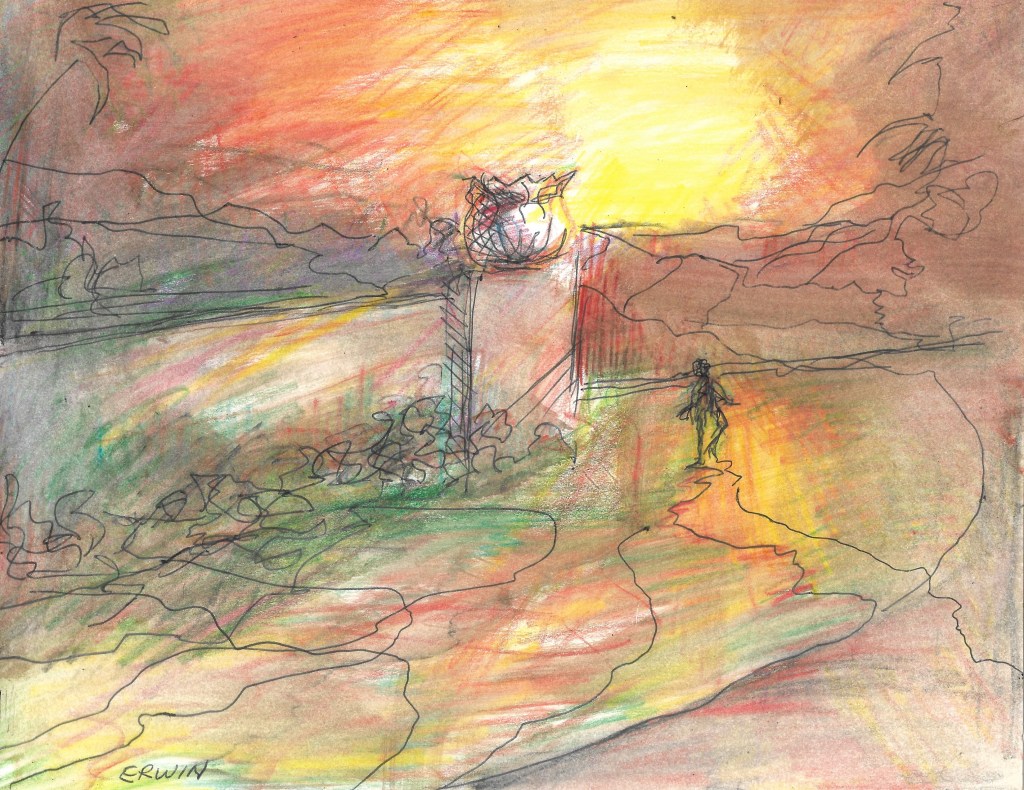


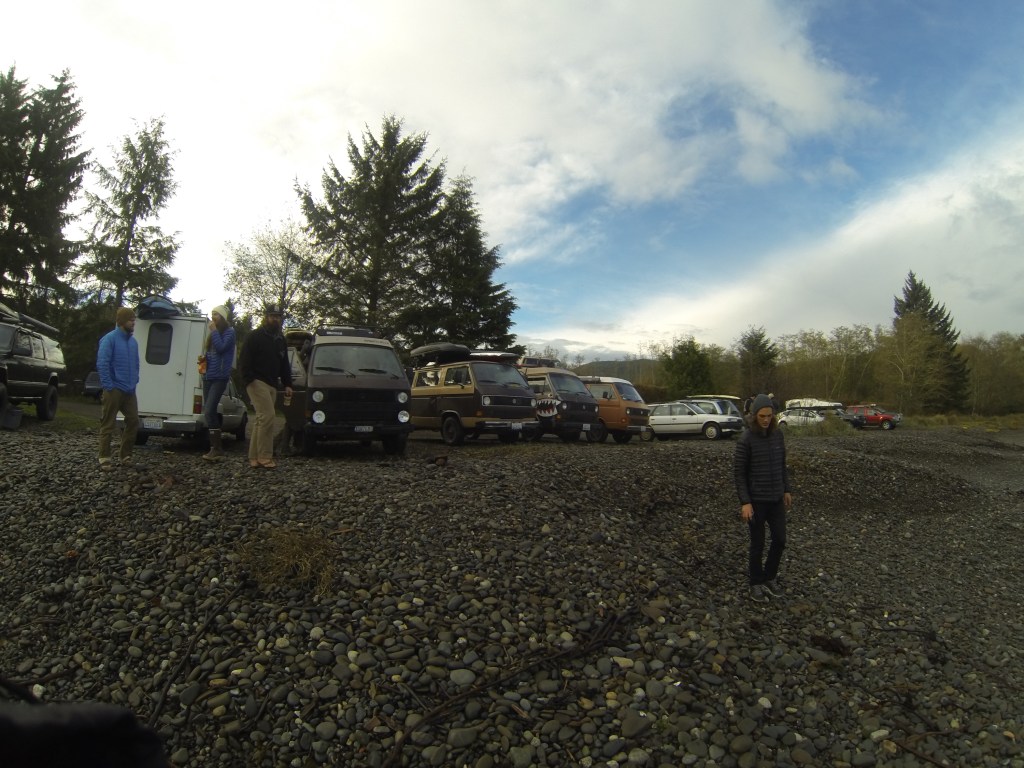
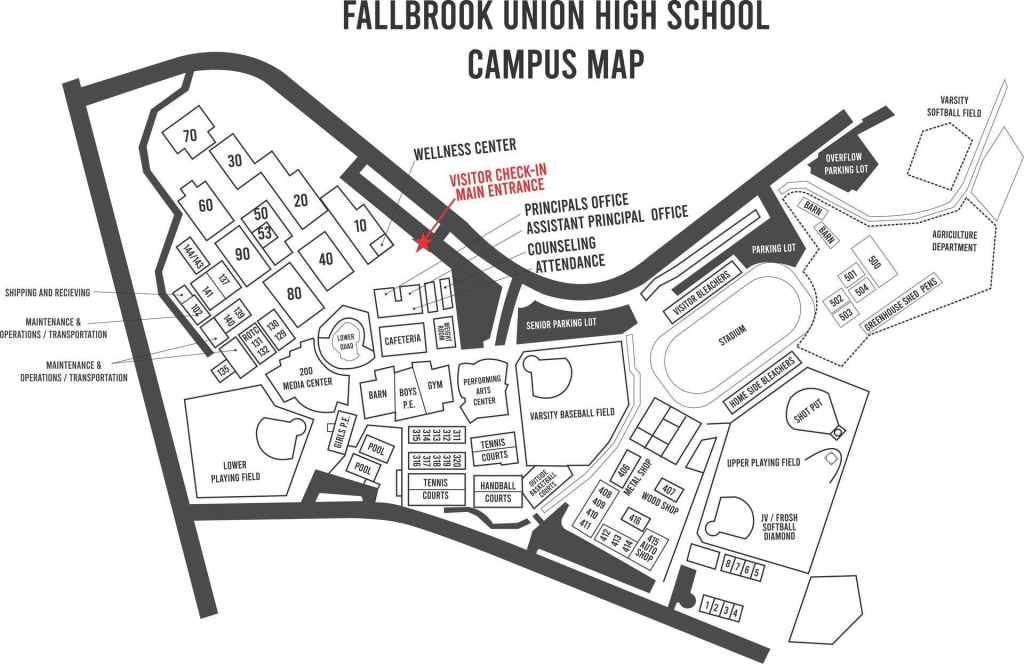
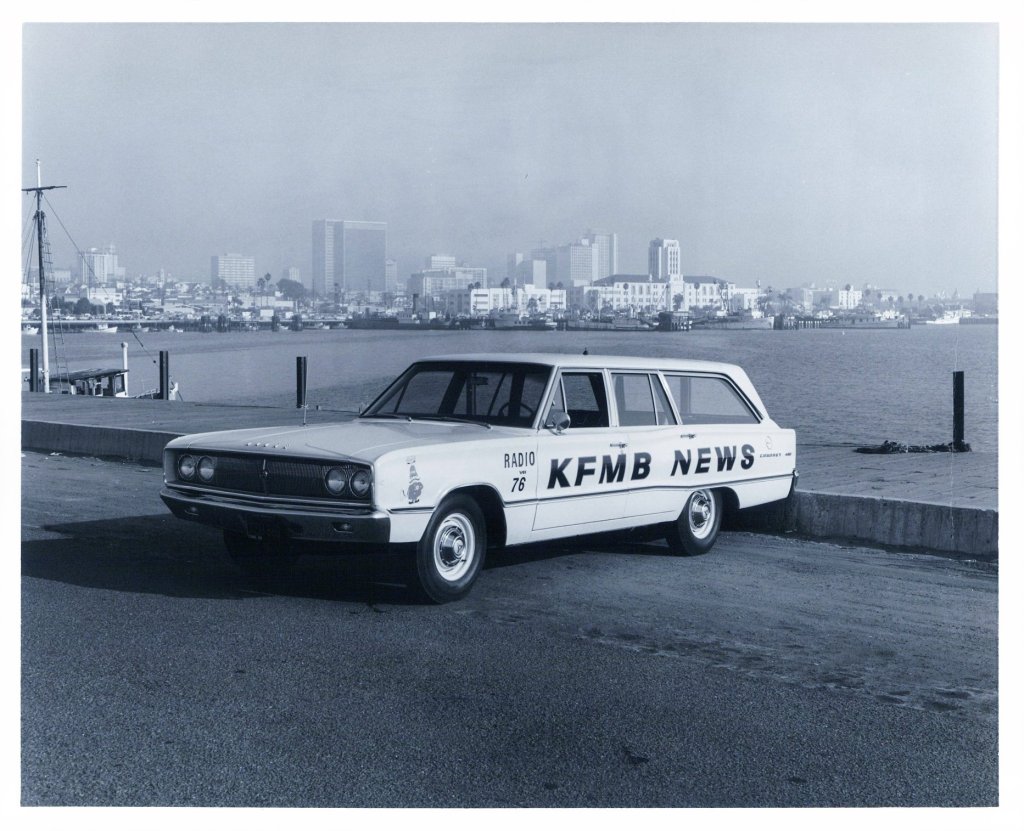
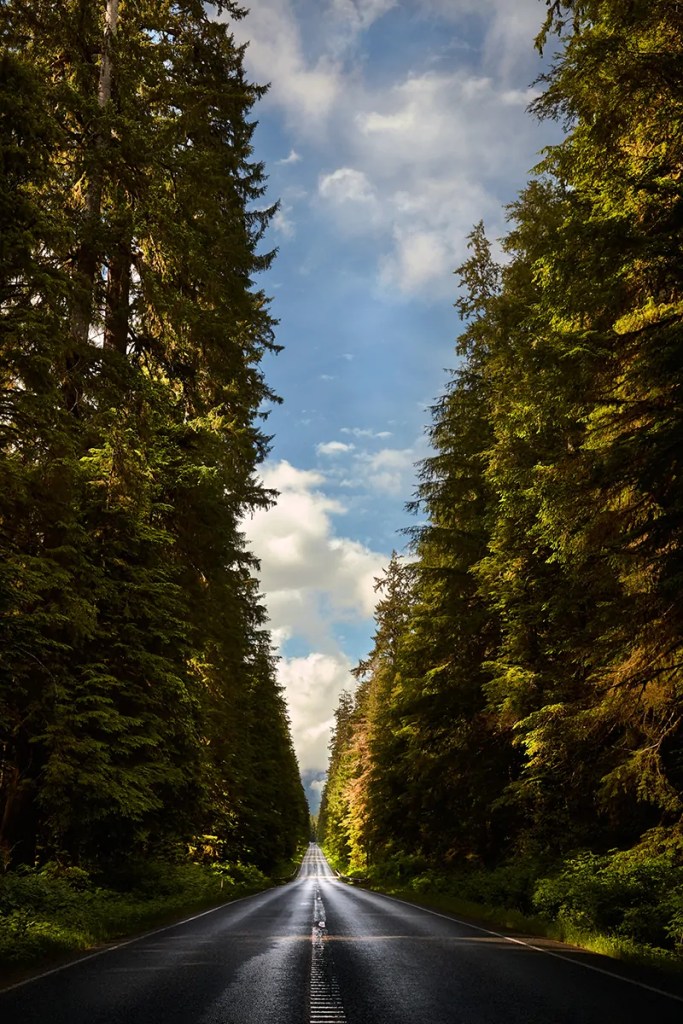

 Real Surfers